
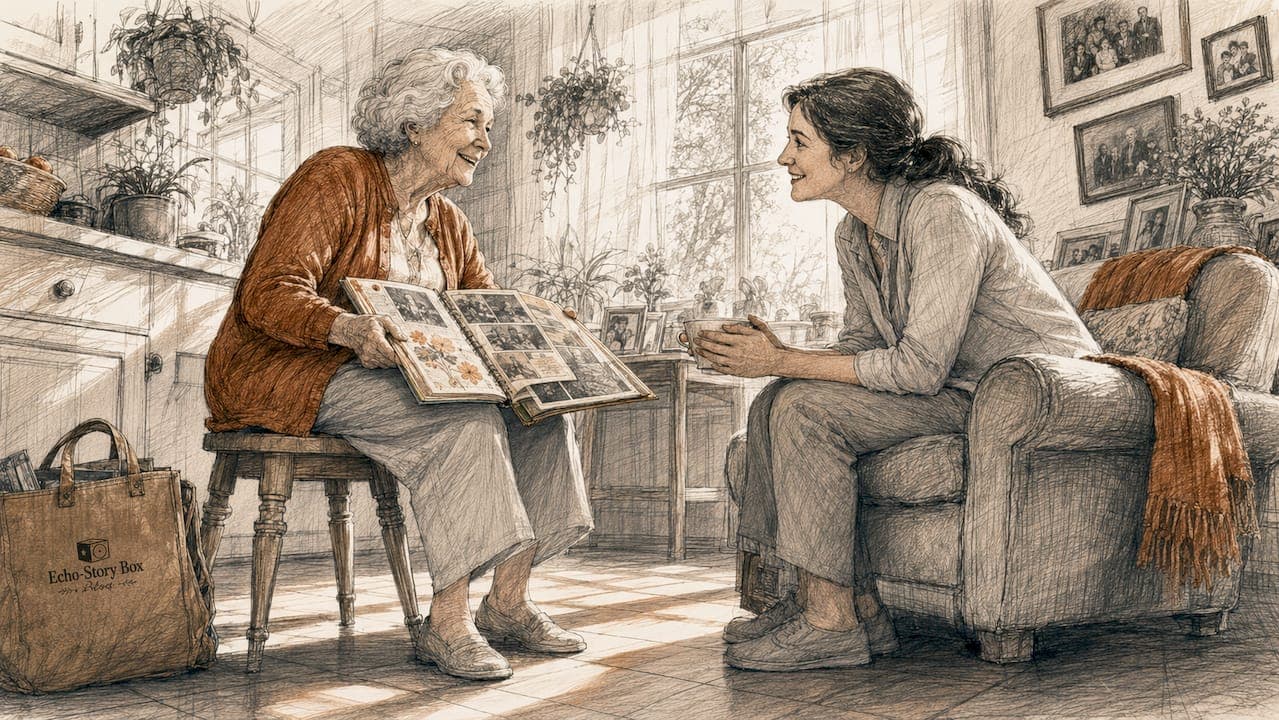
Storytelling is the most direct tool caregivers have for rebuilding social connection in older adults. The role of story in senior social engagement goes far beyond entertainment. Sharing life narratives builds confidence, exercises memory, and creates genuine bonds between seniors and the people around them. Programs like Draw YOUR Story and clinical practices like narrative medicine have proven this with real results. When a senior shares a story, they are not just recalling the past. They are claiming their place in the present, and that matters deeply for their health and happiness.
How does storytelling reduce isolation in seniors?
Social isolation is one of the most serious health risks facing older adults today. Storytelling directly addresses this by giving seniors a reason to connect, a role to play, and a voice that others want to hear. Group storytelling creates a safe space where every senior's voice is valued, which reduces the withdrawal that isolation encourages.
The Draw YOUR Story program is one of the clearest examples of storytelling working as a social tool. It connects older adults and medical students through shared art and narrative, improving social networks and providing cognitive stimulation for both groups. Medical students in the program reported greater comfort with older adults. That bidirectional benefit shows storytelling is not charity. It is genuine exchange.
Storytelling also exercises both fluid and crystallized intelligence, the two cognitive systems that keep the mind sharp and socially engaged. Fluid intelligence handles new problems and quick thinking. Crystallized intelligence draws on accumulated knowledge and experience. Seniors have deep reserves of crystallized intelligence, and storytelling lets them use it. That use builds confidence, and confidence drives social participation.
- Storytelling gives seniors a clear social role, not just a seat at the table
- Intergenerational programs like Draw YOUR Story reduce ageism in both directions
- Group formats encourage peers to listen actively, which reinforces each speaker's sense of worth
- Narrative sharing builds empathy across age groups, making communities more connected
Pro Tip: Start a storytelling session with a simple, specific prompt like "Tell me about a meal you still remember" rather than a broad question like "Tell me about your childhood." Specific prompts lower the barrier to entry and produce richer stories.
What are the therapeutic benefits of storytelling for seniors?
Narrative medicine is the clinical practice of using storytelling to support patient care, and it has become a recognized approach in dementia and Alzheimer's treatment. A scoping review confirms that storytelling counters identity disintegration and preserves dignity in seniors with neurodegenerative diseases. This matters because one of the most painful aspects of dementia is not just memory loss. It is the feeling that the self is disappearing.
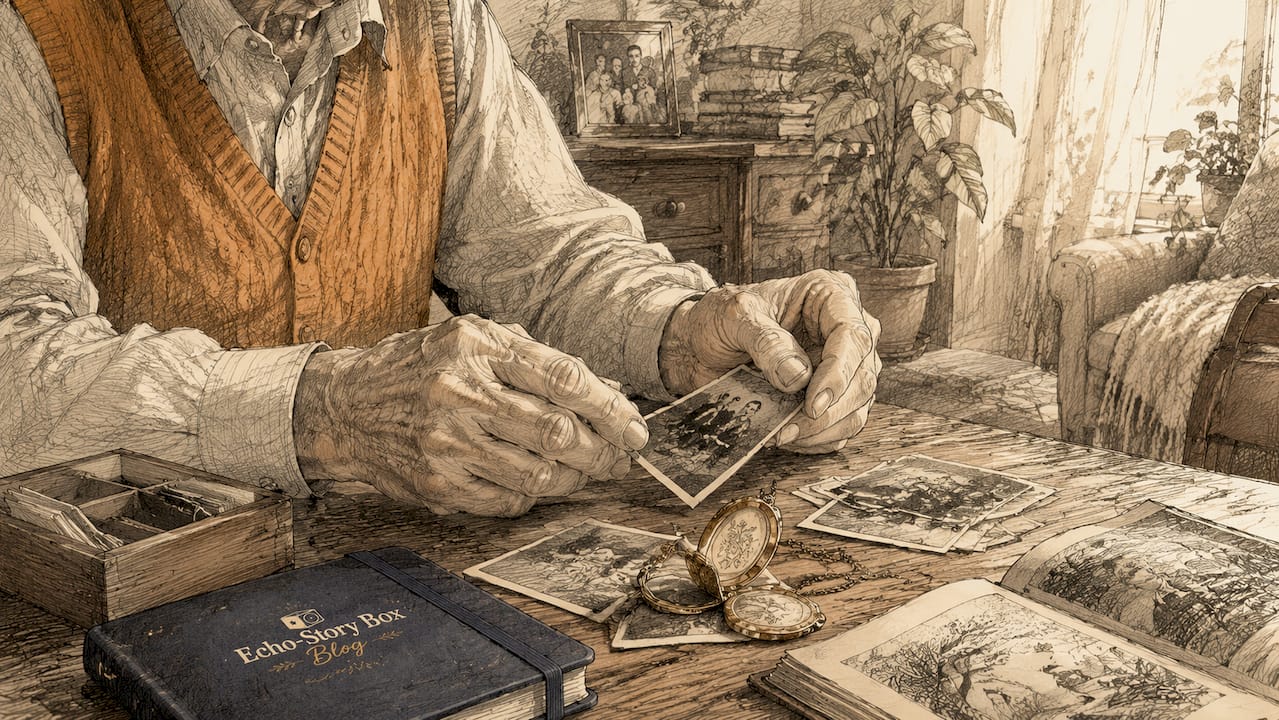
Storytelling preserves what researchers call narrative identity, the ongoing story a person tells about who they are. When that story is supported and witnessed by others, the person retains a sense of continuity even as memory becomes fragmented. Families who understand this shift from trying to correct their loved one's memory to simply honoring their story.
Four therapeutic benefits stand out in the research:
- Identity preservation. Sharing personal history reinforces a senior's sense of self, even when recall is incomplete.
- Dignity reinforcement. Being listened to without correction or interruption signals respect. Narrative therapy actively resists the marginalization that many seniors experience.
- Emotional regulation. Giving shape to difficult experiences through story reduces anxiety and provides a sense of order.
- Legacy creation. Stories recorded or written down become gifts for future generations, giving seniors a purpose that extends beyond their immediate circumstances.
"Storytelling in dementia care is not about accuracy. It is about honoring the person behind the words." — Narrative Medicine, Dementia, and Alzheimer's Disease: A Scoping Review
The Keepsake Chronicles storytelling groups offer a practical model for this work. They use photos and heirlooms as memory anchors to scaffold narrative identity for seniors with dementia. A worn photograph or a familiar object can unlock a story that no direct question could reach. That is the power of tangible prompts.
Practical storytelling strategies for caregivers and families
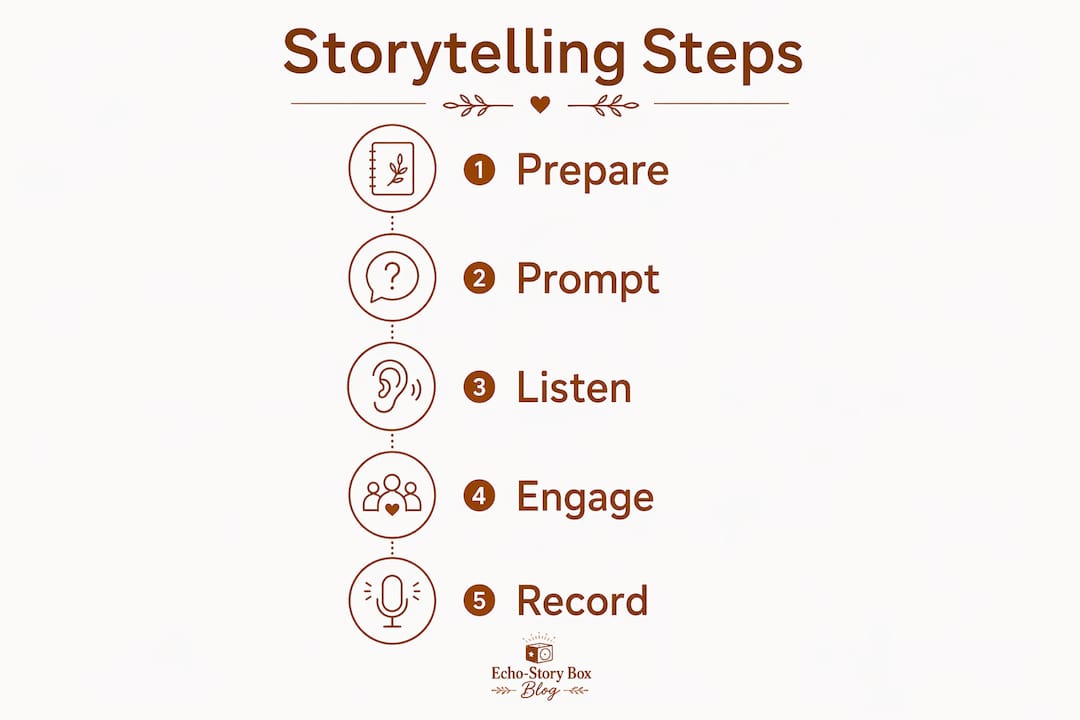
The most effective storytelling sessions share three qualities: a welcoming pace, a concrete starting point, and genuine listening. You do not need a program or a facilitator. You need patience and a few good tools.
| Format | Best For | Key Benefit |
|---|---|---|
| One-on-one storytelling | Seniors with anxiety or hearing difficulties | Deeper focus, less distraction, more personal |
| Small group sessions | Socially engaged seniors in care communities | Peer validation, shared laughter, community bonds |
| Object-based prompting | Seniors with early to moderate cognitive decline | Bypasses abstract recall, uses sensory memory |
| Audio recording sessions | Families wanting legacy preservation | Creates lasting keepsakes for grandchildren |
| Intergenerational programs | Mixed-age settings like Draw YOUR Story | Reduces ageism, builds empathy across generations |
Physical objects are among the most reliable storytelling tools you can use. A wedding photo, a military medal, a recipe card in a grandmother's handwriting. These items carry emotional weight that abstract questions cannot match. Echostory-box supports this approach through its legacy audio recordings feature, which lets grandparents record stories and messages tied to meaningful moments.
Daily care routines are also natural storytelling opportunities. Bathing, meals, and walks all involve sensory experiences that can prompt memory. Ask about a favorite food while preparing lunch. Ask about a childhood home while looking out a window. These small moments add up to a rich ongoing narrative.
Pro Tip: Record storytelling sessions with permission. Even a simple voice memo on a phone captures something irreplaceable. Families consistently report that these recordings become among their most treasured possessions after a loved one passes.
You can explore educational storytelling formats that work well across different care settings, from home visits to assisted living programs.
How do you support storytelling when memory is declining?
Cognitive decline does not end a person's need to tell their story. It changes how that story comes out. The most common mistake caregivers make is asking abstract, open-ended questions that require the senior to organize a complex sequence of memories. That kind of question can feel overwhelming and lead to withdrawal.
Concrete prompts work far better. Instead of "What was your life like growing up?" try "What did your kitchen smell like when you were a child?" Sensory questions bypass the organizational demands of abstract recall and tap into emotional memory, which remains more intact longer in conditions like Alzheimer's.
- Use objects with strong personal meaning as your starting point, not questions
- Allow long pauses. Approximately 90 seconds of silence gives seniors with cognitive difficulties time to gather their thoughts and share meaningful stories
- Transcribe what you hear, even fragments. These fragments have value
- Shape transcribed speech into found poetry, a technique that preserves the senior's exact words and speech rhythms as a form of expression
- Never correct factual errors in a story. The emotional truth matters more than the chronological accuracy
- Sit at eye level, keep the environment calm, and limit background noise
The found poetry technique deserves special attention. It involves taking a senior's exact spoken words, including pauses and repetitions, and arranging them on a page as verse. The result honors the person's unique voice and creates a written record that families can keep. For seniors whose speech is fragmented, this technique transforms what might seem like confusion into something genuinely beautiful and meaningful.
Therapeutic storytelling approaches for adults with cognitive decline are well-documented and accessible to family caregivers without clinical training.
Why storytelling changed how i think about caregiving
I used to think good caregiving was about efficiency. Getting the tasks done, keeping the schedule, making sure nothing was missed. Storytelling taught me that the most important moments in care happen in the pauses between tasks.
The research on narrative interactions deepening caregiver understanding reflects something I have seen directly. When you stop treating a conversation as a check on a list and start listening for the story underneath, the whole relationship changes. You stop being a service provider and start being a witness. That shift matters to the senior in ways that medication and meal schedules simply cannot reach.
What surprised me most was how much caregivers benefit too. Listening to a senior's life story builds empathy that carries into every other part of the care relationship. You understand why they react the way they do. You see the full person, not just the current condition. That understanding makes you a better caregiver and, honestly, a more patient human being.
The hardest part is resisting the urge to fill silence. Most of us are uncomfortable with pauses in conversation. But for a senior working through cognitive difficulty, that silence is where the story lives. Hold it. Wait. What comes out is often worth far more than anything you could have said.
— Bob
Bring storytelling into your family with Echostory-box
Storytelling does not require a clinical program or a professional facilitator. It requires intention and the right environment.

Echostory-box is built around exactly that idea. It is a screen-free storytelling tool designed for families who want meaningful connection without the noise of modern technology. Grandparents can record their own stories and messages directly onto audio cards that grandchildren can hold and replay whenever they want. The experience is simple, tactile, and deeply personal. Whether you are a family caregiver at home or supporting a loved one in a care community, Echostory-box makes it easy to preserve voices, share memories, and keep stories alive. See who benefits most from this approach to family storytelling.
Key takeaways
Storytelling is the most direct, evidence-based tool caregivers have for reducing isolation, preserving identity, and building genuine connection with seniors.
| Point | Details |
|---|---|
| Story reduces isolation | Group and one-on-one storytelling give seniors a valued social role and reduce withdrawal. |
| Narrative medicine preserves identity | Structured storytelling counters identity disintegration in dementia and Alzheimer's care. |
| Objects unlock memory | Photos and heirlooms serve as concrete prompts that bypass abstract recall challenges. |
| Silence is a storytelling tool | Allowing up to 90 seconds of pause gives seniors with cognitive decline time to share rich stories. |
| Caregivers benefit too | Narrative interactions build caregiver empathy and transform task-oriented care into human connection. |
FAQ
What is the role of story in senior social engagement?
Storytelling gives seniors a valued social role, exercises memory and intelligence, and builds genuine bonds with peers and family. Group storytelling sessions reduce isolation by creating spaces where every voice is respected and heard.
How does storytelling help seniors with dementia?
Storytelling preserves narrative identity and supports dignity even as memory declines. Programs like the Keepsake Chronicles use tangible objects as memory anchors to help seniors with dementia share meaningful stories without relying on sequential recall.
What are the best storytelling prompts for older adults?
Sensory and object-based prompts work best. Ask about smells, textures, or specific places rather than broad life questions. Holding a familiar object while talking also helps seniors access emotional memory that abstract questions cannot reach.
Can storytelling benefit caregivers as well as seniors?
Yes. Narrative interactions deepen caregiver understanding and build empathy that improves the entire care relationship. Caregivers who listen for stories report stronger connections and greater job satisfaction.
What is found poetry in dementia storytelling?
Found poetry is a technique where a caregiver transcribes a senior's exact spoken words and arranges them as verse. It preserves the person's unique voice and speech rhythms, turning fragmented speech into a meaningful and lasting record of their story.