
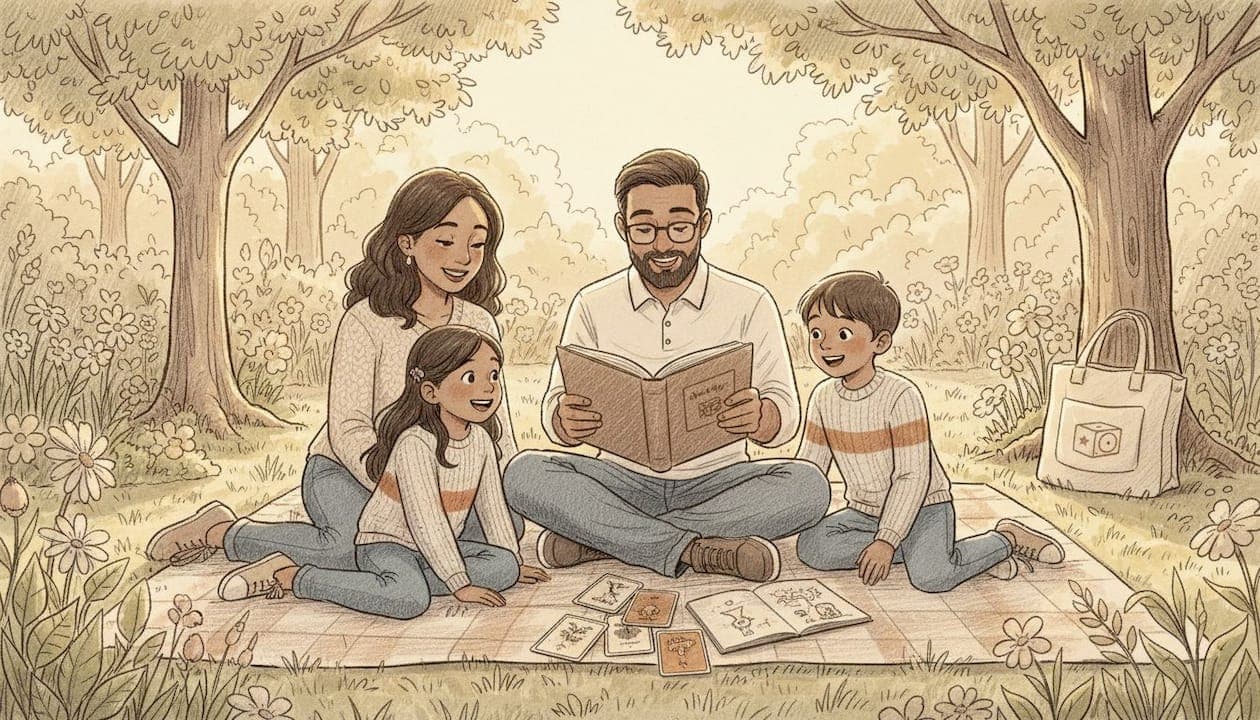
Take-home story content for families is the practice of crafting screen-free, personalized storytelling activities and keepsakes that children and adults can revisit together at home. This approach, also called family narrative creation in child development circles, builds emotional connection, supports language growth, and gives every family member a voice. Tools like AI-assisted storybook apps, simple voice recorders, and physical story boxes make the process accessible even for busy households. Research confirms that 30-minute weekly sessions improve child engagement, vocabulary, and emotional regulation. When you create take-home story content for families, you are not just making memories. You are building something children carry with them for life.
What tools do you need to create take-home story content?
The right tools make family storytelling feel simple rather than overwhelming. You do not need expensive equipment. You need a clear starting point and a few reliable options.
Digital tools worth considering include:
- AI storybook apps like Lovetoread AI, which let you generate a personalized draft in 10–20 minutes
- Voice recorders on smartphones or dedicated devices for capturing grandparent stories and bedtime narrations
- Simple editing apps like GarageBand or Audacity for cleaning up audio recordings
- Narrated slideshow tools like Google Slides or Canva for digital story albums
Physical tools are equally powerful:
- A dedicated "Home Base" notebook for capturing story fragments before shaping them into finished pieces
- Story boxes or keepsake containers for holding printed cards, photos, and handwritten notes
- Blank journals, index cards, and colored pens for co-writing sessions with kids
Here is a quick comparison to help you choose where to start:
| Tool | Best For | Time Investment | Cost |
|---|---|---|---|
| AI storybook app | Personalized printed books | 10–20 minutes per story | Low to moderate |
| Voice recorder | Grandparent legacy audio | 15–30 minutes per session | Very low |
| Home Base notebook | Ongoing memory capture | 5 minutes daily | Minimal |
| Story box with cards | Tactile, screen-free replay | 1–2 hours setup | Low |
| Narrated slideshow | Digital family story albums | 30–60 minutes per project | Free to low |
Pro Tip: Set up a dedicated "story corner" in your home with a basket holding your notebook, a few story prompt cards, and a simple recorder. When the space exists, the habit follows naturally.
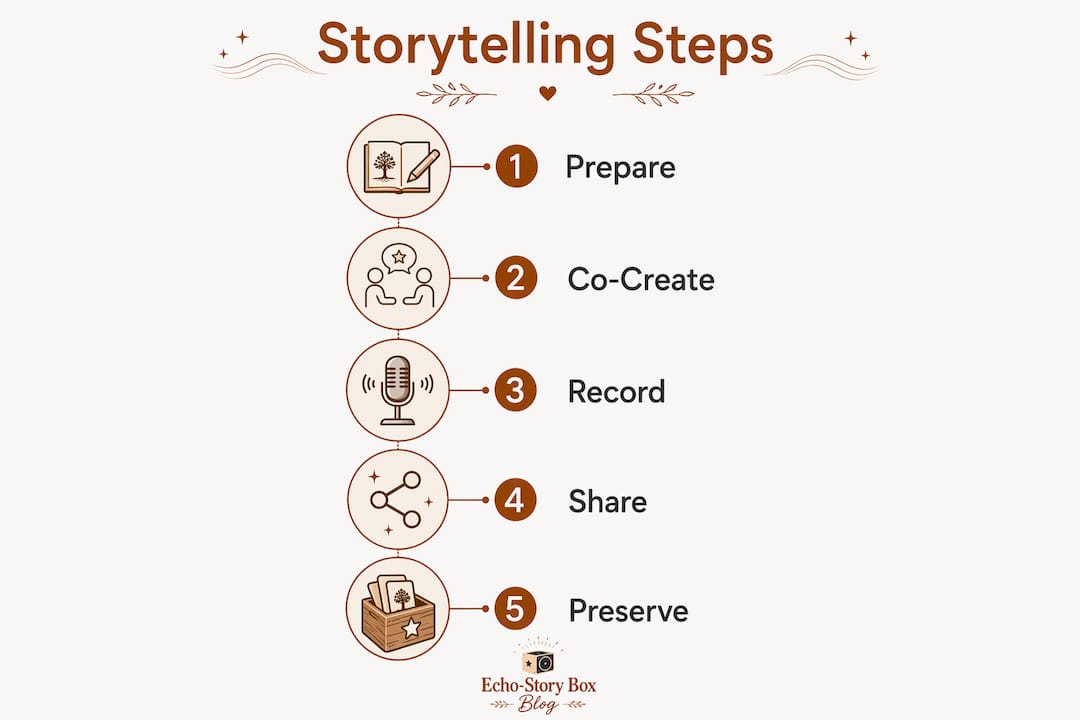
How can families co-create engaging stories together?
The most effective family storytelling method is not one parent reading aloud while children listen passively. It is a shared, collaborative process where every voice shapes the story. This is where storymaking games like Story Pass become powerful. Research confirms that the creative process itself is more developmentally valuable than any finished product. Children who drive story direction build vocabulary, sequencing skills, and creative confidence.
Here is a simple process for co-creating stories as a family:
- Start with a character. Let your child name the main character and pick one unusual trait. This personal investment keeps them engaged from the first sentence.
- Use the Story Pass method. Each person adds one or two sentences, then passes the story to the next family member. Sessions can run 30 seconds to 5 minutes depending on age and energy.
- Ask "What happens next?" This single question, used consistently, teaches children narrative structure without any formal instruction.
- Keep notes short. Use 5–10 bullet points maximum to capture the story's key beats. Long notes kill momentum.
- End every session on a cliffhanger. Stopping mid-adventure makes children eager to return to the story the next day.
"Gentle, indirect prompts invite openness far better than formal questions. Try asking, 'What's a time you got away with something?' instead of 'Tell me a story about yourself.'" — Evaheld Family Storytelling
Allowing children to name characters and decide story direction increases their personal investment and sharpens creative skills. For younger children ages 4–6, keep turns very short and use pictures or toys as story anchors. Older children ages 7–10 can handle longer turns and enjoy adding plot twists. The goal is not a perfect story. The goal is a shared experience that builds vocabulary through storytelling and emotional connection at the same time.
Pro Tip: Write each session's story beats on an index card and keep them in a small box. After a month, you will have a collection of mini-adventures your child helped create.
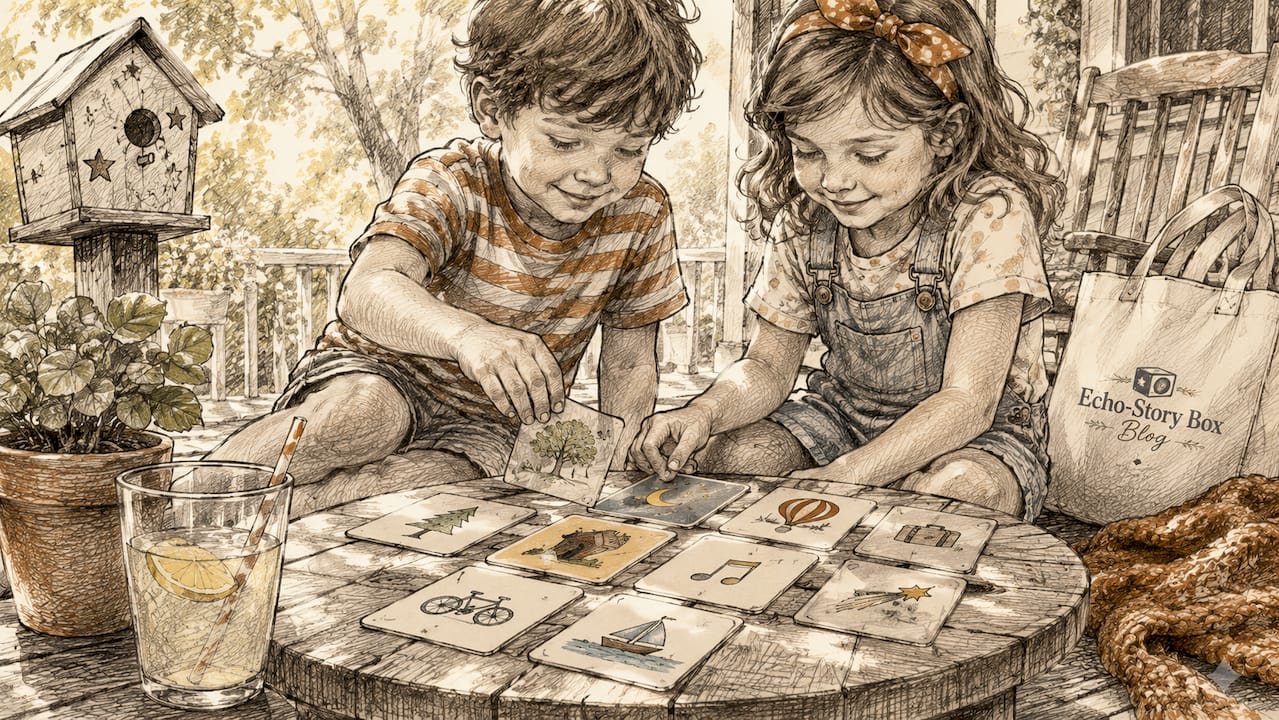
How do you turn family memories into lasting story keepsakes?
Family memories become keepsakes when you give them structure, context, and a format that can be revisited. The most effective organizing approach is the "chapter map," a thematic framework that groups memories by topic rather than strict chronology. Themes like "Traditions," "Lessons Learned," or "The Funny Ones" increase narrative engagement for future generations. This matters because a child who revisits a themed story collection at age 12 connects with it differently than one who flips through a random photo album.
For every memory artifact you collect, attach a short note with three details: the subject, the date, and the source context. This small habit transforms a loose photo or voice clip into a genuine story piece. Family therapists note that capturing ordinary household moments and family-specific phrases builds deeper emotional bonds than focusing only on big events. The way your grandmother said "supper's ready" matters more than you think.
Physical keepsake formats to consider:
- DIY story sacks: A cloth bag holding printed story cards, a small object, and a handwritten note. Children can pull these out independently.
- Scrapbooks and flipbooks: Combine photos, drawings, and handwritten captions for a tactile, screen-free experience.
- Printed storybooks: Use services like Chatbooks or Artifact Uprising to turn digital drafts into bound books families keep on shelves.
| Keepsake Method | Effort Level | Cost | Engagement Level |
|---|---|---|---|
| DIY story sack | Low | Very low | High (tactile) |
| Scrapbook | Medium | Low to moderate | High |
| Printed storybook | Low to medium | Moderate | Very high |
| Narrated slideshow | Medium | Free to low | Moderate |
| Audio story card | Low | Low | Very high (replayable) |
For families who want a digital option, narrated slideshows using Google Slides or Canva pair well with voice recordings. You can learn more about preserving family stories for grandkids using thematic memory maps that work across generations.
How do you build a storytelling ritual that actually sticks?
A storytelling ritual works when it is predictable, low-pressure, and genuinely enjoyable. The biggest mistake families make is treating story sessions like homework. The second biggest mistake is waiting for the perfect moment. Pick a regular time that already has natural rhythm in your week. Friday evenings, Sunday afternoons, or the 15 minutes after dinner all work well.
Here are practical steps to build and sustain the habit:
- Anchor it to an existing routine. Attach story time to a meal, a bath, or a weekly walk so it does not compete with other commitments.
- Use a story stick or heirloom object. Tactile objects lower social anxiety and encourage participation, especially from shy family members. Whoever holds the stick holds the floor.
- Combine digital and physical reminders. Alternating between a phone calendar reminder and a handwritten note on the fridge keeps all family members involved, including grandparents.
- Celebrate progress visibly. At the end of each month, read back the story cards or notes from that month's sessions. At year's end, compile them into a simple family story yearbook.
- Lower the stakes deliberately. Not every session needs a finished story. Sometimes a 10-minute "what happened this week" conversation is enough.
Pro Tip: Send a handwritten "story invitation" to each family member before your first session. Something as simple as "You're invited to Story Night this Friday" signals that this is special without adding pressure.
For families building a bedtime story ritual, consistency matters more than duration. Even three nights a week at 10 minutes each adds up to over 25 hours of shared storytelling per year. That is a significant investment in your child's development and your family's shared identity.
Key takeaways
The most effective way to create take-home story content for families combines simple co-creation methods, consistent rituals, and meaningful keepsakes that children can revisit for years.
| Point | Details |
|---|---|
| Start with simple tools | A notebook, voice recorder, and one storytelling game are enough to begin. |
| Co-create, don't perform | Let children name characters and drive the story to build vocabulary and confidence. |
| Organize memories thematically | Use a chapter map with themes like "Traditions" to make keepsakes more engaging. |
| Build ritual through consistency | A regular, low-pressure story time beats occasional elaborate sessions every time. |
| Capture the ordinary | Everyday phrases and small moments create deeper emotional bonds than big events. |
What i've learned after years of watching families tell stories
I used to think the families who did this well were the ones with the most creative parents. I was wrong. The families who build lasting storytelling habits are the ones who stop trying to make it impressive.
The most powerful story sessions I have seen started with a weird old object pulled from a drawer. A broken compass. A postcard with no return address. A recipe card in a grandmother's handwriting. These objects do the work for you. They lower everyone's guard and open up conversations that no prompt card ever could.
I have also noticed that parents who prepare too much tend to talk too much. The children sit back and become an audience. The sessions that produce the richest stories are the ones where a parent says "I don't know what happens next. What do you think?" and then genuinely waits.
The other thing worth saying plainly: imperfect recordings are better than no recordings. A slightly muffled voice memo of your father telling a story about his first job is worth more than a studio-quality audio file that never gets made. Recorded stories become treasures not because of their production quality, but because of the voice inside them.
Start messy. Stay consistent. Let the children lead more than feels comfortable. That is the whole method.
— Bob
bring your family stories to life with Echostory-box
If you are ready to take family storytelling beyond notebooks and into something children can hold, tap, and replay on their own, Echostory-box was built for exactly that.
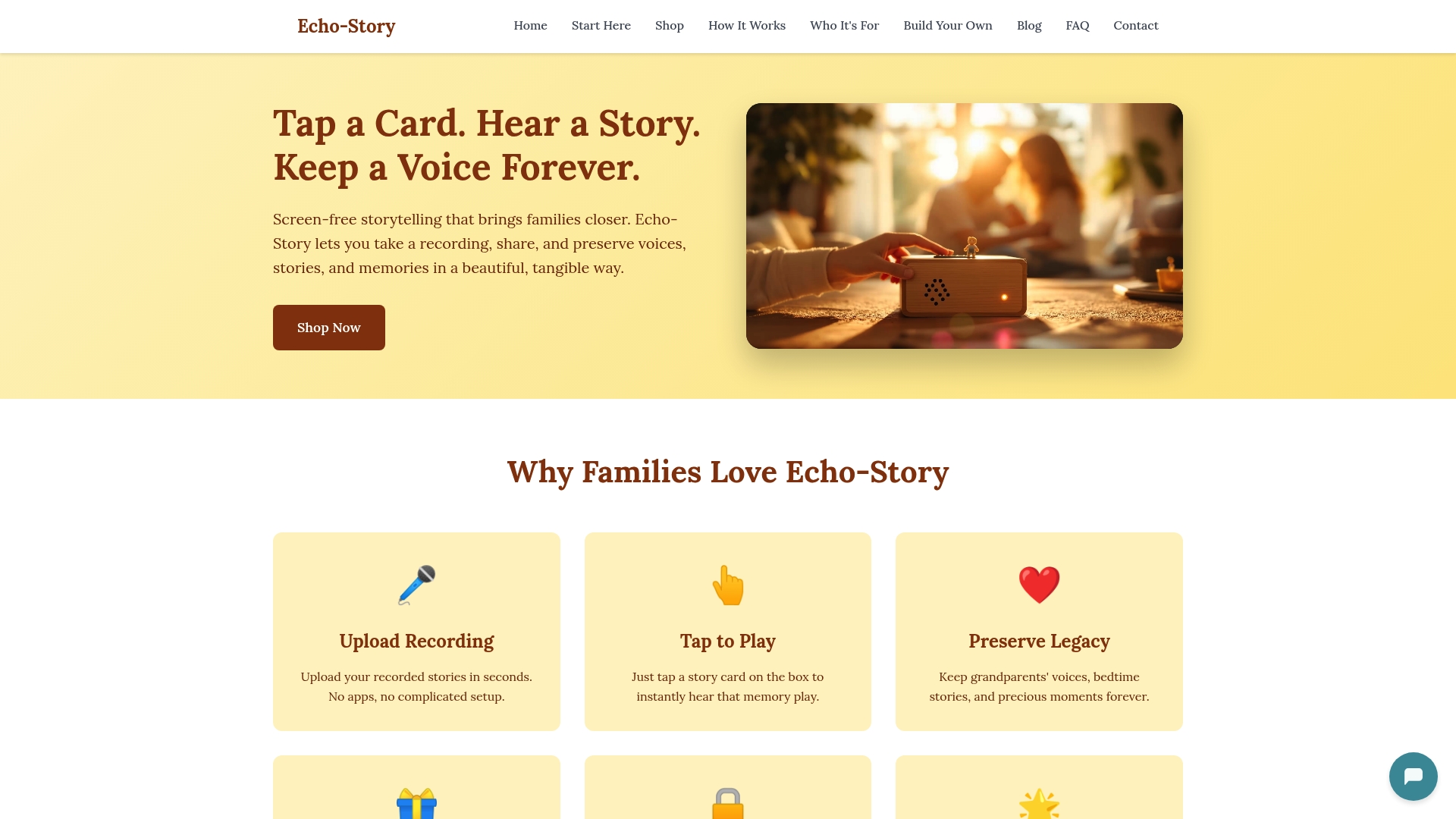
Echostory-box is a screen-free audio player powered by NFC story cards. Children tap a card and a story begins. No menus, no ads, no scrolling. Parents and grandparents can record their own voices directly onto cards, creating keepsakes that children return to for years. Original adventures featuring characters like Theo the Rabbit blend imagination with real learning. Whether you want a ready-made system or prefer to build your own storytelling setup, Echostory-box gives your family a calm, creative alternative to screens that actually works.
FAQ
What is take-home story content for families?
Take-home story content is any screen-free storytelling activity or keepsake that families create together and can revisit at home. This includes recorded audio stories, printed storybooks, story sacks, and co-written narrative cards.
How long does it take to create a family storybook?
Using AI-assisted tools, families can generate a strong first draft in 10–20 minutes. Physical keepsakes like scrapbooks or story sacks typically take 30–60 minutes to assemble.
What is the story pass game?
Story Pass is a collaborative storytelling game where each family member adds one or two sentences before passing the story to the next person. It builds reading, sequencing, and communication skills in children ages 4 and up.
How do i get reluctant family members to participate?
Use a tactile story stick or heirloom object to signal whose turn it is. Physical anchors lower social anxiety and make participation feel natural rather than forced, especially for shy children or quiet grandparents.
How do i keep a storytelling ritual going long-term?
Combine a recurring calendar reminder with a physical cue like a note on the fridge. Keeping sessions short, ending on a cliffhanger, and celebrating monthly progress with a story review all help sustain the habit without burnout.