
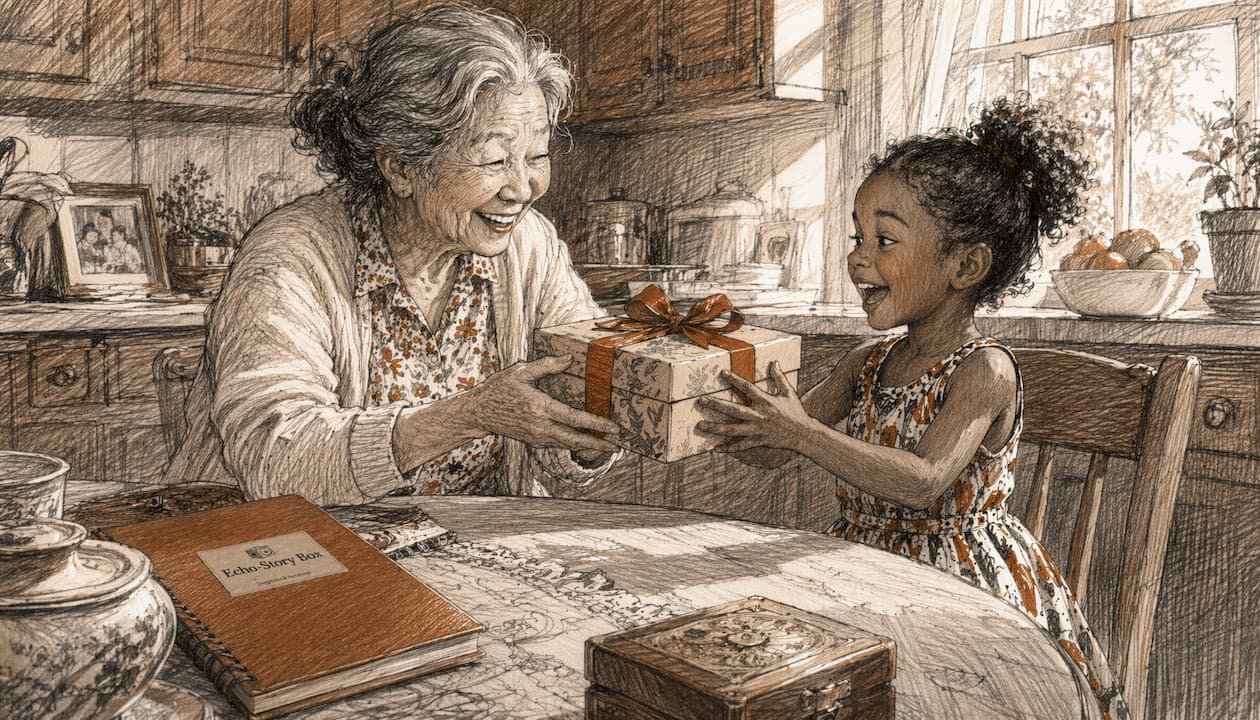
A meaningful gift for a grandchild is defined by the emotional bond it creates, not its price tag or novelty. Personalized presents and shared experiences trigger oxytocin release in the brain, the bonding hormone that builds trust and lasting connection. Generic toys deliver a short dopamine spike and fade fast. The gifts grandparents give carry extra weight because the grandparent-grandchild relationship is uniquely unhurried, patient, and rich with time. Understanding what makes a meaningful gift for a grandchild helps you choose something your grandchild will carry in their heart long after the wrapping paper is gone.
Why do personalized gifts create deeper bonds with grandchildren?
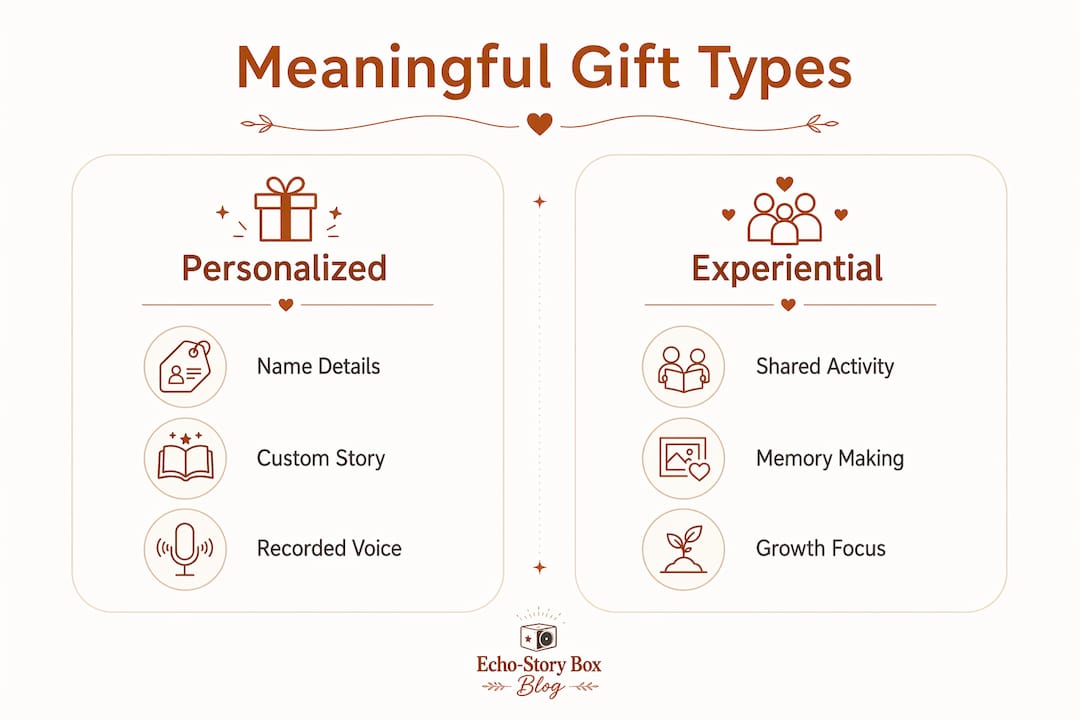
Personalized gifts work because they signal cognitive effort. When a grandchild receives something made specifically for them, their brain registers that someone thought carefully about who they are. That recognition triggers oxytocin release, the same bonding hormone released during hugs and close conversation. Generic gifts, by contrast, produce only a brief dopamine spike that fades within days once novelty wears off.
The emotional power of a personalized gift also comes from what it communicates over time. Personalized items get displayed, not stored, which means a single gift can create hundreds of small emotional moments every year. Each time your grandchild sees their name on a storybook cover or their face in a keepsake, the bond between you is quietly reinforced. That is a return on investment no generic toy can match.
Personalized gifts also become identity reinforcers. A custom storybook that features your grandchild's name, their pet, and their favorite place tells them: "You are known. You are loved. You matter." Research in consumer psychology confirms that personalized gifts produce higher gratitude and longer retention than equivalently priced generic alternatives. The gift stays. The feeling stays longer.
- Custom storybooks featuring the child's name and family members
- Photo keepsakes such as framed collages or personalized ornaments
- Recorded voice messages from grandparents telling family stories
- Personalized activity kits tied to a child's specific interests
- Legacy audio recordings capturing grandparent wisdom and memories
Pro Tip: When choosing a personalized gift, include at least two specific details about the child, their name plus one personal element like a pet or favorite place. That second layer of specificity is what separates a touching gift from a truly unforgettable one.
How do experiential gifts create lasting memories and real growth?
Experiential gifts produce longer-lasting happiness than material toys. Children anticipate and remember shared experiences far more vividly than physical objects, which lose their appeal once the novelty fades. A trip to a local museum, a cooking lesson together, or a membership to a children's theater builds language skills, emotional regulation, and resilience in ways a toy simply cannot.
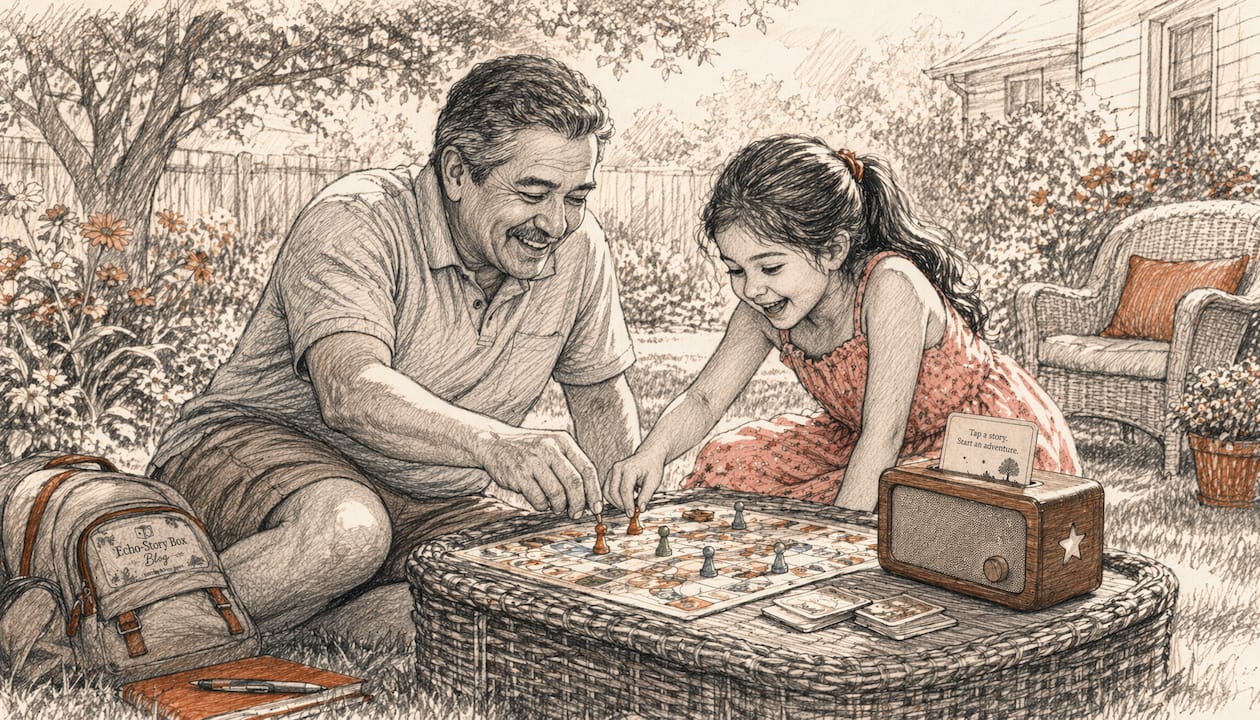
The anticipation phase alone adds value. When a child knows a special outing is coming, they talk about it, imagine it, and build excitement. That process develops vocabulary and emotional awareness before the experience even begins. Afterward, the shared memory becomes a story you both tell, which deepens the bond every time it is retold.
Presenting an experiential gift well matters. A plain envelope saying "We're going to the aquarium" lands flat. Wrap it with intention.
- Write a short note explaining why you chose this experience for them specifically.
- Add a small physical token connected to the experience, like a seashell for a beach trip.
- Let the child circle the date on a calendar so anticipation can build.
- Plan one small ritual around the experience, like a special breakfast before you go.
- After the experience, create a simple keepsake together, a drawing, a photo, or a recorded memory.
Pro Tip: Pair an experiential gift with a storytelling activity afterward. Ask your grandchild to tell you their favorite moment from the day. That conversation cements the memory and gives you both a story to share for years.
How to choose gifts that use the grandparent-grandchild relationship well
The grandparent role is uniquely unhurried and patient, and that quality changes everything about how gifts land. Parents are often pressed for time. Grandparents can sit, listen, and play without watching the clock. Gifts that invite joint participation tap directly into that strength. A puzzle, a craft kit, or a storytelling game becomes something far richer when a grandparent is present to engage with it.
The best gifts for grandchildren are those that facilitate presence. The object matters less than the shared engagement it creates. A simple set of wooden building blocks played with for an hour alongside a grandparent teaches more and bonds more deeply than an expensive electronic toy used alone.
Choosing gifts slightly ahead of a child's current developmental stage also encourages growth. A five-year-old given a simple chapter book with illustrations is gently stretched. A grandparent who reads it aloud with them bridges that gap with warmth and patience.
| Gift type | Why it works for grandparents |
|---|---|
| Open-ended building sets | Invite joint play with no fixed outcome |
| Storytelling card games | Create shared narratives and conversation |
| Screen-free audio players | Support calm, imaginative listening together |
| Art and craft kits | Allow side-by-side creativity at any pace |
| Intergenerational board games | Build strategy, patience, and shared laughter |
- Choose gifts that require at least two people to enjoy fully.
- Avoid gifts with rigid instructions that leave no room for grandparent input.
- Select screen-free options that encourage conversation and imagination.
- Pick well-made items over trendy ones. Quality signals care and lasts longer.
Practical tips for giving gifts that build a lasting legacy
The most thoughtful gifts capture the child exactly as they are right now. Personalized storybooks featuring actual faces and moments become irreplaceable keepsakes because they freeze a specific chapter of childhood. A photo book from this summer, a recorded bedtime story in your own voice, or a custom adventure featuring your grandchild's name will grow in meaning as years pass. Generic toys cannot do that.
Matching gift intimacy to your relationship also matters. A deeply personal recorded message works beautifully for a grandchild you see regularly. For a grandchild you are still building closeness with, a shared experience gift, like a day trip planned together, may open the door more gently.
Gift overload causes emotional dysregulation and reduces a child's ability to engage deeply with any single item. Fewer, more thoughtful gifts consistently outperform a pile of presents. Coordinate with other family members before major holidays to avoid duplication and clutter.
- Document this chapter. Record a voice message or create a photo keepsake tied to this specific year.
- Balance material and experiential. One physical gift plus one shared experience is a strong combination.
- Coordinate with parents. Ask what the child needs or wants before buying, so your gift fills a real gap.
- Invest in presentation. A handwritten note explaining why you chose the gift adds perceived effort and emotional weight.
Pro Tip: Preserving a family story in your own voice, whether recorded or written, is one of the most powerful gifts you can give. Children revisit these long after toys are forgotten.
Key Takeaways
A meaningful gift for a grandchild works because it signals genuine care through personalization, shared experience, or preserved memory, not because of its cost.
| Point | Details |
|---|---|
| Personalization triggers bonding | Gifts with specific personal details release oxytocin and create lasting emotional connection. |
| Experiences outlast objects | Shared activities build language, resilience, and memories that grow stronger over time. |
| Grandparent presence amplifies value | Gifts that invite joint play use the grandparent's unique patience and time to deepen bonds. |
| Cognitive effort matters most | The emotional impact of a gift comes from perceived thought, not price. |
| Legacy gifts grow in meaning | Personalized keepsakes and recorded voices become more treasured as grandchildren grow older. |
What I've learned about gifts that actually last
I have watched grandparents spend a lot of money on gifts that disappeared into a toy box within a week. I have also seen a simple recorded story, a grandparent's voice reading a favorite tale, become something a child asks to hear again and again for years. The difference is never the price. It is always the presence behind the gift.
The emotional power of a gift lies in perceived cognitive effort, not monetary cost. Most grandparents I have spoken with underestimate this completely. They worry they are not spending enough. What they should ask instead is: "Does this gift show my grandchild that I know them?" That question leads to far better choices.
One thing I have come to believe strongly: the best gifts grandparents give are the ones that carry their voice, their patience, and their specific knowledge of who that child is. A toy teaches a child to play. A grandparent's recorded story teaches a child who they come from. That is a different kind of gift entirely. It is the kind that becomes a family heirloom.
— Bob
Thoughtful gifts your grandchild will treasure for years
Echostory-box was built for exactly this kind of gifting. It is a screen-free audio player that lets grandchildren tap a story card and hear a world of imagination come alive, no scrolling, no ads, no complicated menus.
What makes Echostory-box special as a gift is the personalization layer. You can record your own voice telling bedtime stories, sharing family history, or leaving encouragement messages your grandchild can return to anytime. The child's name, favorite places, and family members can all become part of the story. These are not just gifts. They are lasting keepsakes that capture who your grandchild is right now and who you are to them. Echostory-box turns your voice into something they can hold.
FAQ
What makes a gift meaningful for a grandchild?
A meaningful gift signals genuine care through personalization or shared experience. Gifts that reflect specific knowledge of the child, their name, interests, or family connections, create stronger emotional bonds than generic presents.
Are experiential gifts better than material gifts for grandchildren?
Experiential gifts produce longer-lasting happiness because children remember shared experiences more vividly than physical objects. Toys lose their appeal once novelty fades, while memories from a shared outing grow richer over time.
How much should I spend on a grandchild's gift?
Price is not the primary driver of emotional impact. Research confirms that perceived cognitive effort matters more than cost. A thoughtful, personalized gift at a modest price outperforms an expensive generic one.
Can grandparents give gifts that help with child development?
Gifts that facilitate grandparent-grandchild interaction improve emotional regulation and developmental outcomes. Open-ended toys, storytelling games, and shared experiences all support healthy growth when a grandparent engages alongside the child.
How do I avoid giving too many gifts?
Gift overload causes emotional dysregulation and reduces a child's ability to play deeply. Coordinate with other family members, choose one or two thoughtful gifts, and balance physical presents with a shared experience.