
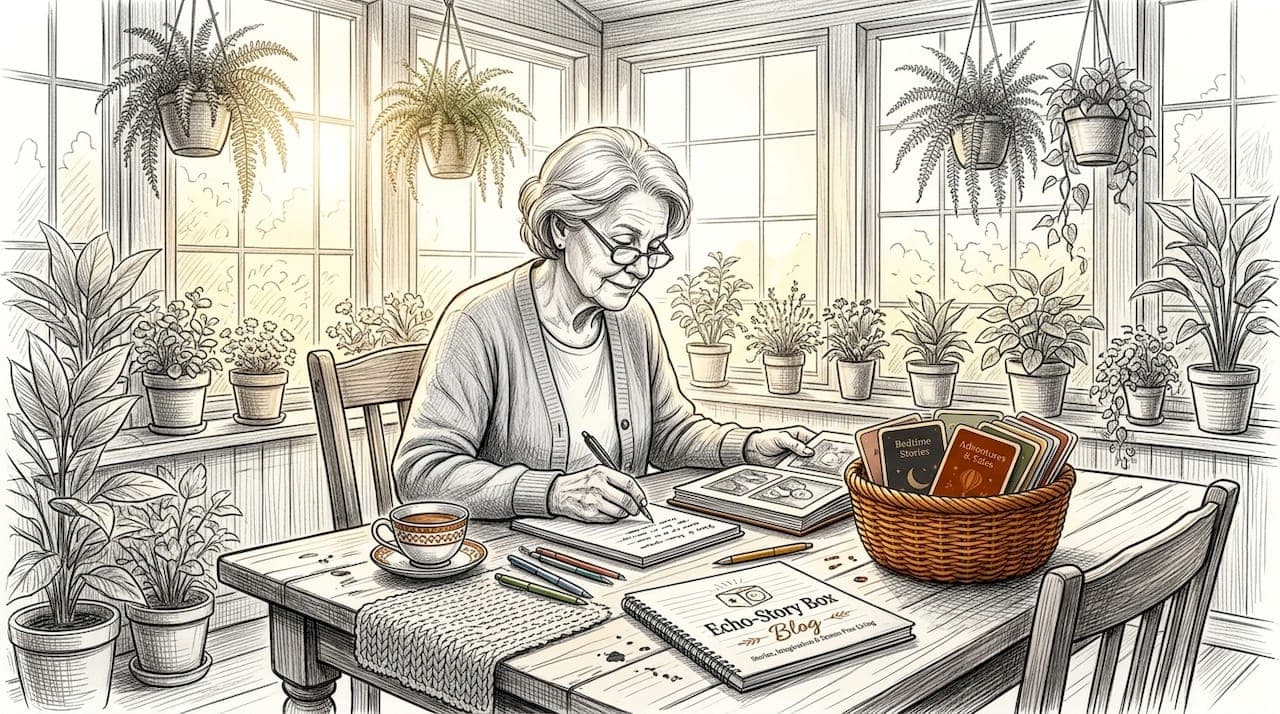
Distance doesn't have to mean disconnection. When you send personalized story to grandchild, you give them something no toy or gift card can match: a piece of your voice, your love, and your family's history wrapped inside their very own adventure. Grandparents today have more ways than ever to create custom story for grandchild experiences that feel warm, personal, and genuinely memorable. This guide walks you through everything you need, from picking up the right tools to pressing send with confidence.
Table of Contents
- Key Takeaways
- What you need before sending a personalized story to your grandchild
- How to create and send a personalized story step by step
- Common challenges and how to work through them
- How to make personalized stories more meaningful over time
- My honest take on personalized storytelling for grandchildren
- How Echostory-box helps grandparents connect through story
- FAQ
Key Takeaways
| Point | Details |
|---|---|
| Gather the right details first | Confirm your grandchild's preferred name, nickname, and a clear photo before creating any story. |
| Voice narration deepens the bond | Recording your own voice alongside the story creates stronger emotional connection than text alone. |
| Match the story to the child's age | Simple, one-moment stories work best for young children, while older kids enjoy richer family history themes. |
| Repeat storytelling builds legacy | Sending stories regularly across themes like courage and kindness builds a lasting record over time. |
| Screen-free delivery matters | Audio-based story experiences keep children calm, focused, and imaginatively engaged without screen overload. |
What you need before sending a personalized story to your grandchild
Good storytelling starts with good preparation. Before you create anything, spend a few minutes gathering the basics. Having the right information on hand makes the whole process faster and more satisfying.
Know your grandchild's details
Start by confirming the details that will make the story feel like it was made just for them. Confirming the child's name and photo with their parents helps you avoid mismatches that can pull a child out of the story. Ask whether they go by a nickname at home. A story that calls your grandson "Buddy" instead of "William" will feel far more real to him.
You'll also want one clear, well-lit photo if you're using a platform that places your grandchild inside illustrated scenes. Blurry or dark photos often result in characters that don't look quite right.
Understand their age and interests
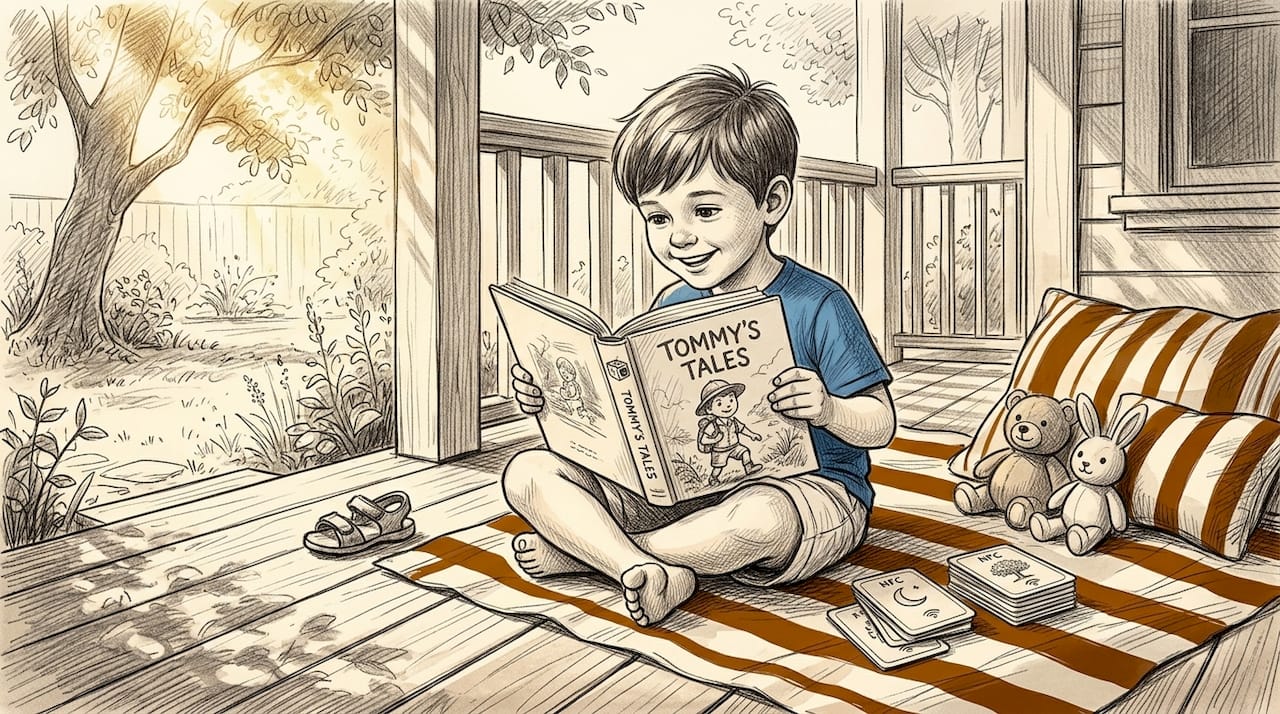
A three-year-old needs a short, simple story built around one moment and one feeling. A seven-year-old can follow a longer adventure with a lesson attached. Stories focused on one vivid moment resonate far better with children than broad life summaries. Think about what your grandchild loves. Dinosaurs, dogs, space, or baking with grandma? Build the story around that world.
Choose your story format
Here's a quick look at your main options and what each requires:
| Format | What you need | Best for |
|---|---|---|
| Digital personalized book | Computer or smartphone, photo, child's name | Grandparents comfortable online |
| Audio narration video | Smartphone, quiet room, story script | Adding your voice and warmth |
| Physical keepsake book | Online order, delivery address | Lasting gift to hold and revisit |
| Legacy letter or audio message | Paper or voice recorder app | Emotional, memory-focused connection |
Pro Tip: Most grandparents complete ordering a personalized digital storybook in under 10 minutes using simple online tools. If you can fill out a birthday card online, you can do this.
How to create and send a personalized story step by step
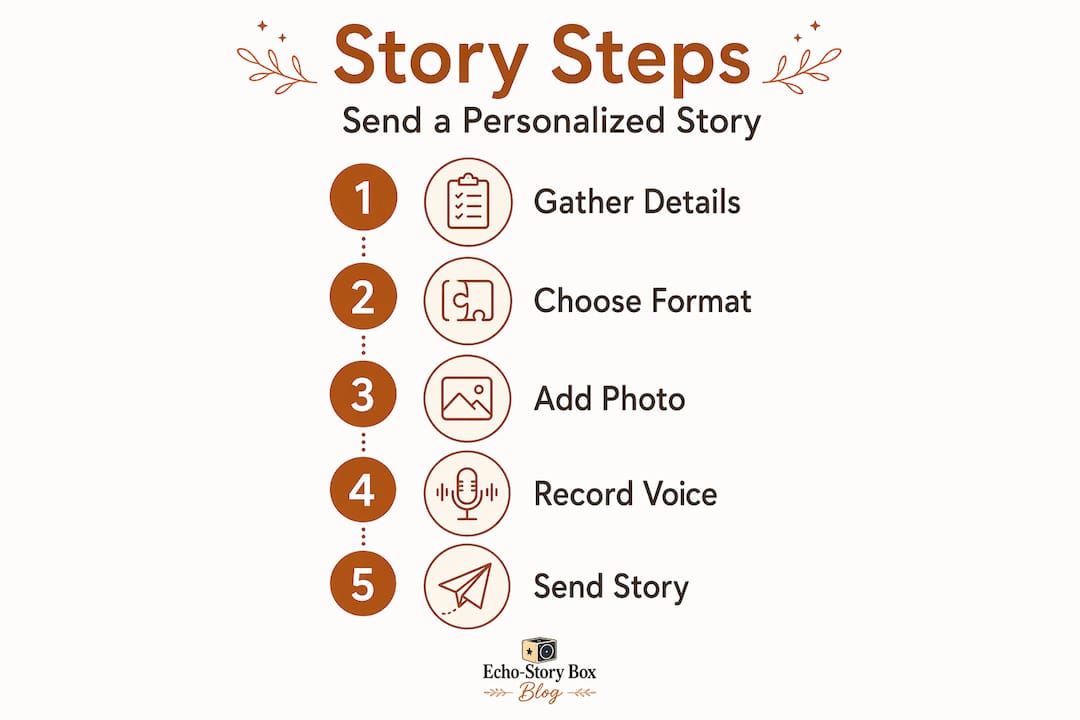
Once you have your details ready, the creation process is straightforward. Here is a simple path to follow:
-
Pick a story theme. Choose something tied to your grandchild's interests or a value you want to pass along. Kindness, bravery, and curiosity all make rich story foundations. Think about a single memory from your own life that connects to that theme.
-
Choose your platform or method. Several services let you upload a photo, type in a name, and generate a fully illustrated personalized children's book. Others let you write your own text and pair it with narration. Consider whether you want a digital link to share, a printed book to mail, or a recorded audio story to send by phone or email.
-
Record your voice if possible. This step makes a genuine difference. Adding a grandparent's recorded voice to a storybook greatly increases the child's emotional connection to the story. Some platforms like ToonyStory allow page-by-page voice recording integrated directly into the final product. Even a simple voice memo attached to a digital book adds immeasurable warmth.
-
Preview everything before sending. Check the child's name spelling, the photo quality, and the story flow. Read it aloud yourself first. If it sounds a little stiff when you read it, a grandchild will feel that too. Edit until it sounds like you talking, not a form letter.
-
Choose your delivery method. You have real options here. A digital link works instantly and costs nothing extra to send. A physical recordable storybook from companies like Hallmark, with voice-save technology built in, becomes a keepsake a child can return to for years. An audio file sent through a family group chat is simple and immediate.
-
Let the parents know it's coming. A quick heads-up to your grandchild's parents means they can set aside a calm moment for the first listen, ideally at bedtime when children are most receptive to stories.
Pro Tip: When choosing a book for read-aloud, experts note that a grandparent's familiar voice combined with a child's name in the story is one of the most powerful literacy tools available.
Common challenges and how to work through them
Even the most loving grandparents hit a few snags. Here are the most common ones and how to handle them calmly.
-
Technical upload problems. If a photo won't upload, it's usually a file size issue. Try resizing the image or using a different photo app on your phone. Most platforms have a simple help section or a phone number you can call.
-
Choosing the right language for the child's age. Avoid complex sentences for children under six. Use short words, clear actions, and one emotional moment per scene. Experts recommend framing stories around a single child-appropriate feeling rather than a full narrative arc.
-
Navigating parents' preferences. Some parents have rules about screen time, app downloads, or content themes. Always check with them before sending. A quick phone call asking "Would it be okay if I sent a little story for Sophie?" builds trust and keeps everyone happy.
-
Avoiding generic stories. The biggest mistake is choosing a template and changing only the child's name. Specificity in a keepsake story is what builds real identity affirmation. Mention the child's actual dog. Reference the trip you took together last summer. Name the inside joke only your family shares.
"The most powerful stories aren't the longest ones. They're the ones that make a child feel seen, known, and deeply loved by someone who has lived a long, full life." — legacy storytelling guidance from Eva Held
How to make personalized stories more meaningful over time
Sending one story is a gift. Sending stories regularly becomes a legacy. Here's how to build something that lasts.
-
Use real memories, not general wisdom. Instead of "I want you to be kind," tell the story of the afternoon you helped a neighbor carry groceries when you were eight years old. Children respond to specifics. One core memory with a clear lesson resonates far more than a list of values.
-
Build a theme library over time. Spread your stories across themes: courage, generosity, faith, humor, perseverance. Recording multiple themed stories across several sessions creates a layered record of your character that a single story simply cannot capture.
-
Add personal touches wherever possible. A hand-drawn picture tucked inside a mailed book. A voice message sent after the story. A short note that says "This story happened in the town where I grew up." These small additions make stories feel real and irreplaceable.
-
Involve the child in the process. Ask their parents to let them pick the next story topic. "What do you want Grandpa to tell you about next?" turns a one-way gift into an ongoing conversation.
Pro Tip: Research on grandparents' voices confirms that children gain both emotional comfort and developmental benefits from hearing a grandparent narrate a story. It's not just sweet. It's genuinely good for them.
Storytelling also supports brain development in children in ways that passive screen content simply does not. When a child listens to your voice telling a story built around their name and your shared memories, their brain is doing real work: building vocabulary, processing emotions, and forming identity.
My honest take on personalized storytelling for grandchildren
I've watched grandparents struggle with this more than you might expect. Not with the technology, exactly, but with the fear that what they make won't be good enough. They worry the story will sound silly. They're not sure if their grandchild will even care.
Here is what I've learned: children don't need a perfectly produced audiobook. They need your specific voice saying their specific name inside a story that carries your specific love. I've seen a grandfather record a three-minute story on his phone about the time he got lost fishing as a boy, and his granddaughter asked to hear it every single night for a month. No illustrations. No platform. Just his voice and one real memory.
What doesn't work is trying to cover everything at once. I've seen grandparents write fifteen-page letters trying to pass down every lesson from their entire life. Children can't hold that. One moment, one lesson, one warm close. That's the formula that actually lands.
The other thing I'd push back on gently: don't wait until you're better with technology. Start with a voice memo today. The imperfect story sent this week is worth ten perfect stories you're still planning. Bedtime audio stories create calm, connected moments that children carry with them long after the night ends. Your voice at bedtime, even through a phone speaker, is a gift your grandchild will remember.
— Bob
How Echostory-box helps grandparents connect through story
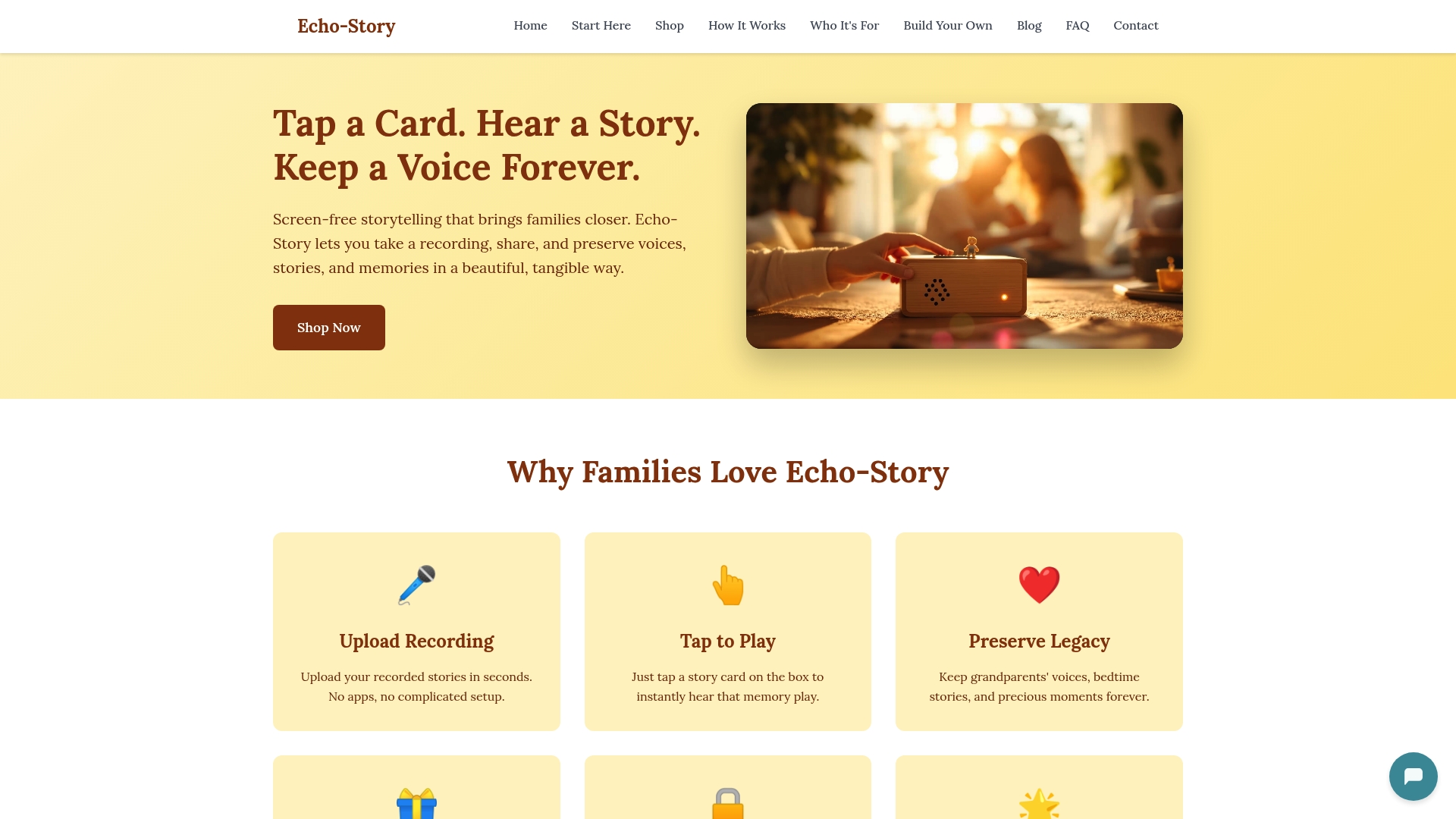
Echostory-box was built with grandparents like you in mind. The Echo-Story Box platform lets you record your voice, load it onto a simple NFC story card, and send it to your grandchild as a screen-free audio experience. No apps. No logins. No endless menus. Your grandchild simply taps the card on the box and hears your voice begin.
What makes this different from sending a digital file is the physical experience. The child holds something. They choose it themselves. It feels like opening a storybook, not operating a device. Grandparents can record bedtime stories, family history, encouragement messages, and holiday traditions. Echostory-box stores those voices as keepsakes children return to for years.
You can explore how it all works in just a few minutes, or browse the full story shop to find the right fit for your family. Simple stories. Lasting memories.
FAQ
How do I send a personalized story to my grandchild online?
Choose a personalized storybook platform, upload your grandchild's photo and name, and select a digital delivery option. Most platforms let you share a link directly to a parent's phone or email in under 10 minutes.
What is the best way to add my voice to a grandchild's story?
Record your narration using your smartphone's voice memo app and attach it to the story, or use a platform like ToonyStory that supports page-by-page voice recording built into the final storybook.
How do I make a personalized story feel special, not generic?
Use your grandchild's nickname, reference a real shared memory, and keep the story focused on one clear moment and emotion. Specific details create genuine emotional connection far more effectively than broad, general messages.
Are physical storybooks or digital stories better for grandchildren?
Both have real value. Physical recordable storybooks become lasting keepsakes children revisit over years, while digital stories are instant and easy to update. The best choice depends on your grandchild's age and your family's preferences.
How often should I send stories to my grandchild?
Sending stories regularly across different themes, such as kindness, courage, and family tradition, builds a richer legacy than a single story. Even one story per month adds up to a meaningful library over time.