
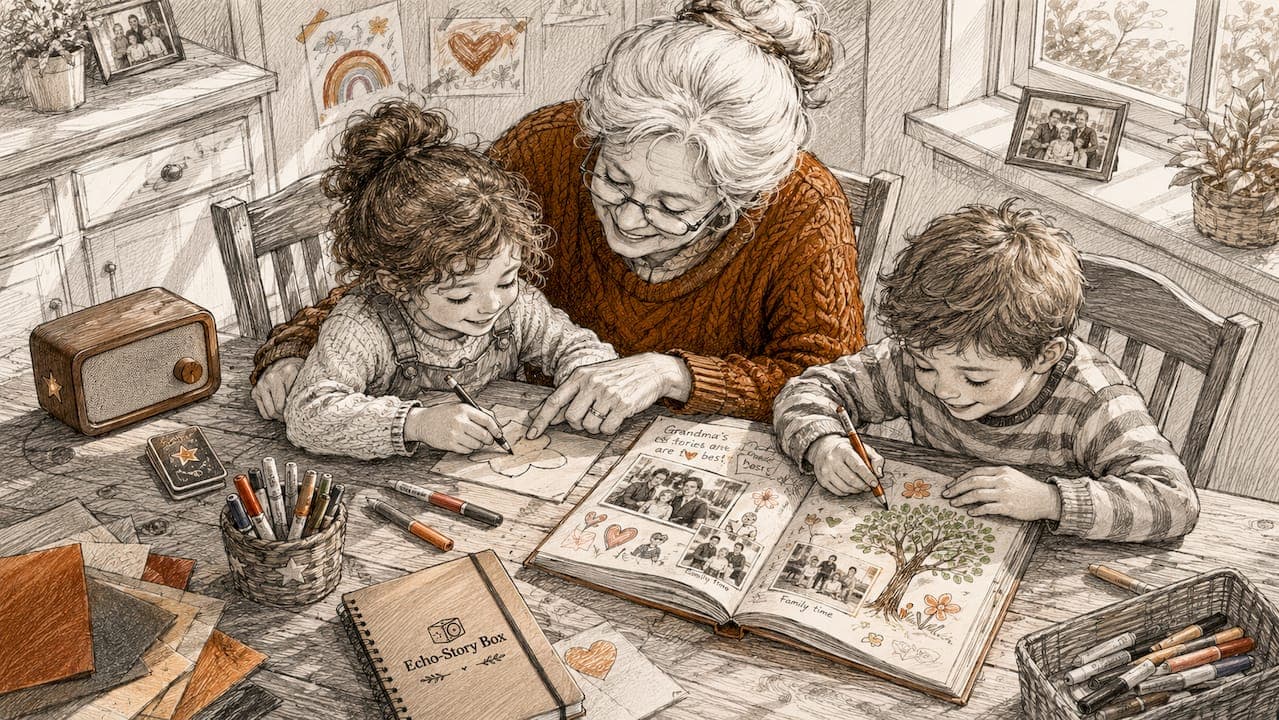
Intergenerational bonding activities are purposeful, shared experiences designed to build connection and joy between seniors and their grandchildren through creative, physical, and educational engagement. Research shows that grandparents who engage in childcare and shared activities score higher on memory and verbal fluency tests. That finding matters because it means time spent together is not just emotionally rewarding. It actively protects cognitive health. The benefits flow both ways: grandchildren gain emotional grounding, vocabulary, and a sense of family identity that shapes who they become.
1. What are the best intergenerational bonding activities for seniors and grandchildren?
The strongest activities share one quality: they create equal footing. Neither generation is simply teaching or simply receiving. Both are contributing, laughing, and learning together. Authentic bonding requires collaborative activities that give seniors and grandchildren equal roles, rather than placing one generation in the role of giver and the other as receiver. That shift from benefactor to partner is what makes the experience stick.
2. Creative projects and crafts for shared enjoyment
Creative projects work well across generations because they require no prior experience and reward effort at every skill level. A grandparent who has never painted and a seven-year-old who has never used watercolors are on the same footing. That shared uncertainty creates warmth and laughter.
Strong options for creative projects with grandchildren include:
- Scrapbooking family photos together, with grandparents narrating the stories behind each image
- Simple pottery or clay modeling, where both generations shape something with their hands
- Collage-making using old magazines, fabric scraps, and natural materials like leaves or pressed flowers
- Recipe card illustration, where grandchildren draw pictures while grandparents write out family recipes in their own handwriting
- Sewing or knitting basics, with grandparents teaching a skill they already know
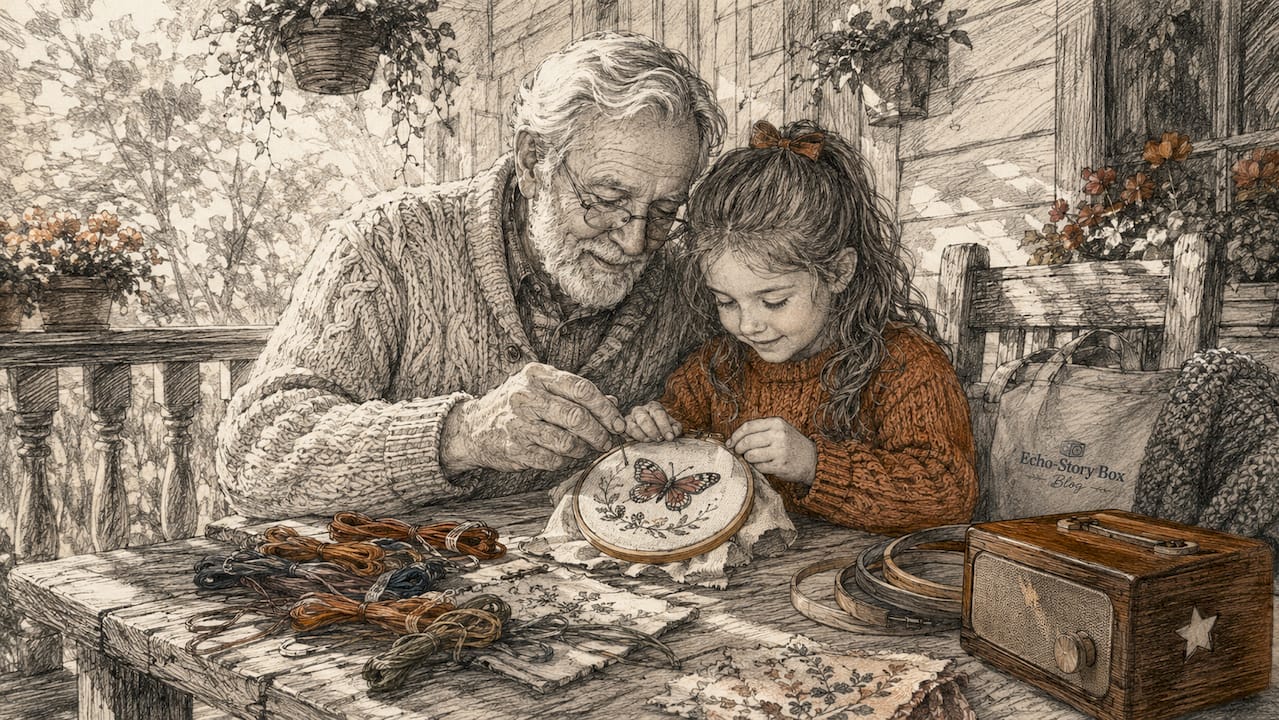
Fun crafts for seniors work best when they connect to something personal. A grandparent teaching a grandchild to embroider a family crest or paint a birdhouse they will hang in the backyard creates a memory that outlasts the project itself. Shared meals follow the same principle: cooking a family recipe together builds vitality and relational connection beyond the food itself.
Pro Tip: Adapt the complexity of any craft to the senior's energy level that day. Keep a simple fallback activity nearby, like coloring or sorting buttons by color, so the session stays calm if energy dips.
3. Physical and outdoor activities that build health and connection
Shared physical activity is one of the most direct ways to strengthen bonds between generations. A 12-week intergenerational physical activity program significantly improved grandparents' well-being (p = .006) and strengthened emotional bonds with their grandchildren. That result held even when grandchildren's activity levels were inconsistent, which tells you the benefit for seniors is real and reliable.
Good outdoor and physical options include:
- Nature walks on flat, accessible trails where grandchildren can collect rocks, leaves, or insects to identify together
- Gardening, where seniors share knowledge about plants and grandchildren do the digging and watering
- Gentle backyard games like bocce ball, horseshoes, or croquet that require strategy over speed
- Bird watching with a simple field guide, turning observation into a shared learning activity
- Stretching or yoga routines designed for mixed ages and abilities
The key is choosing activities that encourage cooperation rather than competition. When a grandchild helps a grandparent identify a bird species, both feel capable and valued. That mutual respect is what research on intergenerational programs identifies as the foundation of lasting connection.
Pro Tip: Schedule outdoor activities in the morning when seniors typically have more energy. Bring water, a light snack, and a place to sit so the outing stays comfortable for everyone.
4. Storytelling and educational activities that strengthen family identity
Storytelling is the oldest form of intergenerational connection, and it remains one of the most effective. When grandparents share life stories as teachable moments, grandchildren gain vocabulary, emotional understanding, and a sense of where they come from. Those benefits compound over time.
Practical storytelling activities for families include:
- Life story interviews, where grandchildren ask prepared questions and record the answers in a notebook or on audio
- Family history timelines, drawn on large paper and decorated together with photos and drawings
- Audio storytelling sessions, where grandparents narrate a personal memory while grandchildren illustrate it
- Reading aloud together, alternating who reads each page of a shared book
- Creating a family storybook, with grandparents writing and grandchildren illustrating original stories
Storytelling shapes grandparent identity and gives grandchildren a living connection to family history. The emotional weight of hearing a grandparent's voice tell a real story is something no textbook can replicate. Research confirms that seniors in intergenerational programs report feeling more connected to their communities at a rate of 95.5%, and 91.3% report an enhanced appreciation of diversity. Those numbers reflect what storytelling does at scale: it reduces isolation and builds belonging.
Screen-free storytelling tools are especially valuable here. When there is no screen competing for attention, both generations listen more deeply. The quality of that attention is what drives the emotional and cognitive benefits of engagement, not the frequency or type of activity.
5. Tips for planning successful bonding time
Good planning turns a good idea into a real memory. Families who approach bonding time with a loose structure get more out of it than those who leave everything to chance.
- Set a simple schedule. Structured events like "Grandma Camp" with clear daily rhythms reduce anxiety for both seniors and grandchildren. A predictable flow of activity, rest, and meals helps everyone feel safe and ready to engage.
- Create a parent-free window. One-on-one time between grandparent and grandchild builds a unique relationship that cannot develop when parents are always present. Even a two-hour stretch makes a difference.
- Build in rest. Seniors need recovery time between activities. Plan a quiet reading or listening period after anything physical or highly social.
- Choose activities with equal roles. Avoid setups where the grandparent only teaches and the grandchild only learns. Reciprocity and mutual respect are the foundation of meaningful intergenerational connection. Let grandchildren teach grandparents something too, whether it is a card game, a song, or how to use a new app.
- Address technology gaps gently. Technology differences are a real barrier between generations. Acknowledge them without frustration. Frame learning a new tool as an adventure you are both figuring out together.
- Match activity length to energy. A 45-minute focused activity beats a three-hour session that ends in exhaustion. Short, satisfying experiences build anticipation for the next visit.
Pro Tip: Ask grandchildren to help plan one activity each visit. When they have ownership over the plan, they show up more engaged and the grandparent gets a window into what the child loves right now.
Key takeaways
The most effective intergenerational bonding activities combine reciprocity, shared creativity, and emotional engagement, producing cognitive and social benefits for both seniors and grandchildren.
| Point | Details |
|---|---|
| Reciprocity drives connection | Activities where both generations contribute equally produce stronger bonds than one-sided teaching. |
| Quality beats frequency | Emotional engagement during shared activities matters more than how often families meet. |
| Storytelling builds identity | Life story sharing and audio storytelling strengthen family heritage and reduce senior isolation. |
| Physical activity improves well-being | A structured intergenerational activity program significantly improved grandparents' well-being in research trials. |
| Planning reduces barriers | Simple schedules, parent-free time, and energy-matched activities maximize the quality of each visit. |
Why I think most families underestimate the power of these moments
Most families treat grandparent visits as social obligations. They plan a meal, maybe a board game, and call it a visit. What they miss is that these moments are actually one of the most reliable investments in long-term family health available to them.
I have seen families transform their relationships simply by shifting from passive visiting to active, shared doing. A grandmother who teaches her granddaughter to make pierogi from memory is not just cooking. She is passing down identity, patience, and love in a form the child will carry for decades. The granddaughter who teaches her grandfather to play a card game she invented is not just playing. She is giving him a reason to feel curious and capable.
The research backs this up clearly. Cognitive vitality in seniors correlates most strongly with the quality of emotional engagement, not the number of visits. That means one deeply connected afternoon is worth more than a dozen polite Sunday dinners.
What families need most is permission to slow down and be present. Put the phones away. Pick an activity where both generations have something to offer. Let the conversation wander. The memories that last are never the ones that were perfectly planned. They are the ones where something unexpected happened and everyone laughed.
— Bob
Storytelling tools that bring generations closer
Families who want to make storytelling a regular part of their bonding time often ask what tools actually help without adding screen time or complexity.
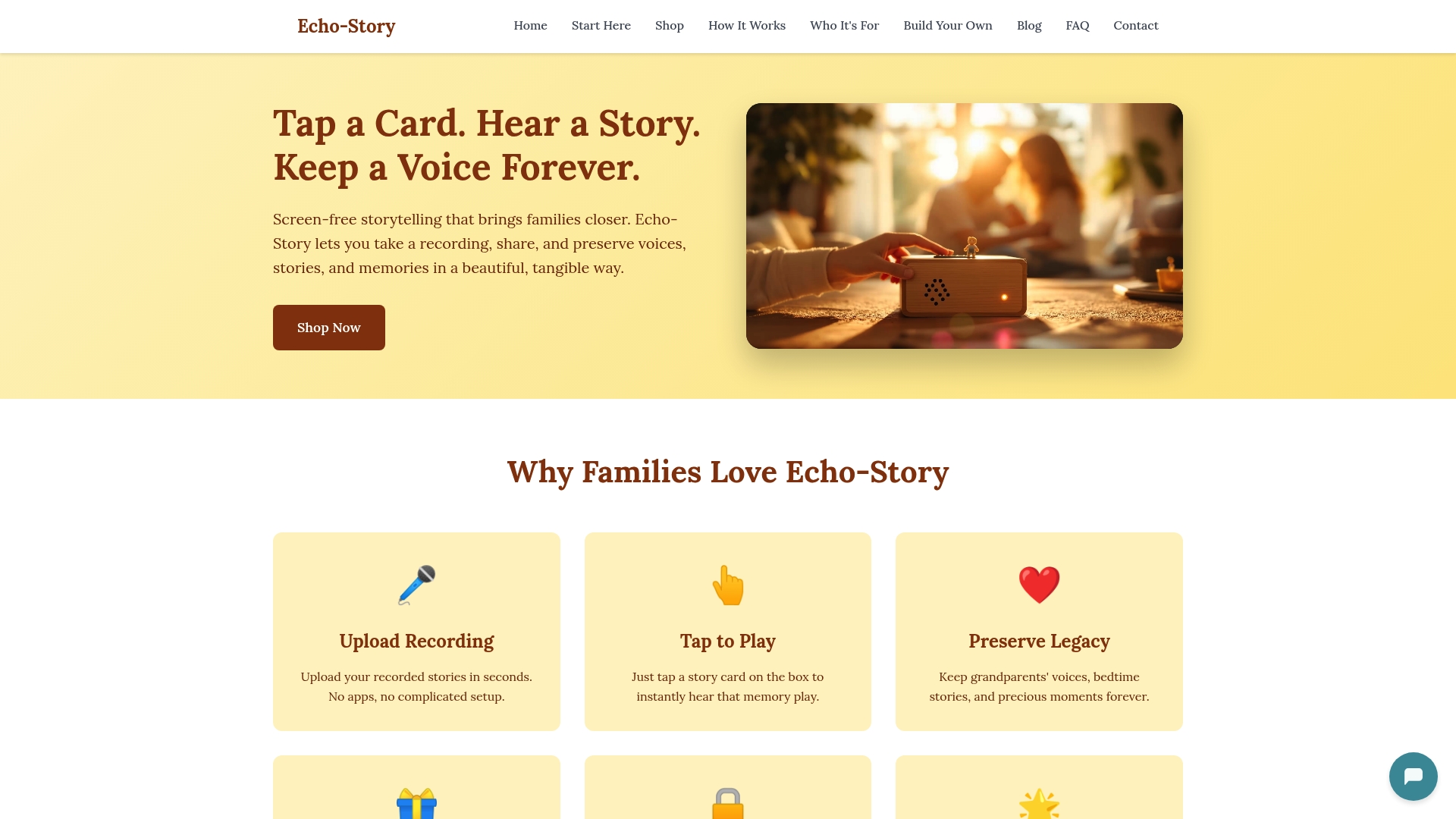
Echostory-box is built for exactly this. It is a screen-free audio player that grandparents and grandchildren can use together without any technical friction. Grandparents can record their own voice telling a story, a memory, or a family tradition. Children tap a card and hear that voice whenever they want. The experience is tactile, calm, and deeply personal. Echostory-box also includes original story adventures, educational audio, and legacy recording features that preserve family voices for years to come. If you are looking for a simple way to make storytelling a lasting part of your family's life, explore Echostory-box and see what fits your family.
FAQ
What are the best activities for seniors and grandchildren to do together?
Creative projects, storytelling sessions, gardening, and gentle outdoor games all work well because they create equal roles for both generations. Research shows that quality emotional engagement during shared activities produces stronger cognitive and emotional benefits than the type or frequency of the activity.
How does storytelling help grandparents and grandchildren bond?
Storytelling strengthens family identity, reduces senior isolation, and gives grandchildren a living connection to their heritage. Seniors in intergenerational programs report feeling more connected to their communities at a rate of 95.5%, with storytelling being a primary driver of that connection.
What is "Grandma Camp" and does it work?
"Grandma Camp" is a structured, multi-day bonding experience where grandparents and grandchildren spend dedicated time together, often without parents present. Research supports that clear schedules and parent-free environments reduce anxiety and deepen one-on-one connections.
How can families overcome technology gaps between generations?
Frame technology differences as a shared learning experience rather than a problem to fix. Barriers like technology conflicts are well-documented in intergenerational research, and the most effective families address them with patience and mutual curiosity rather than frustration.
How often should seniors and grandchildren spend bonding time together?
Frequency matters less than quality. Cognitive and emotional benefits correlate most strongly with the depth of engagement during each interaction, not how many times families meet per month.