
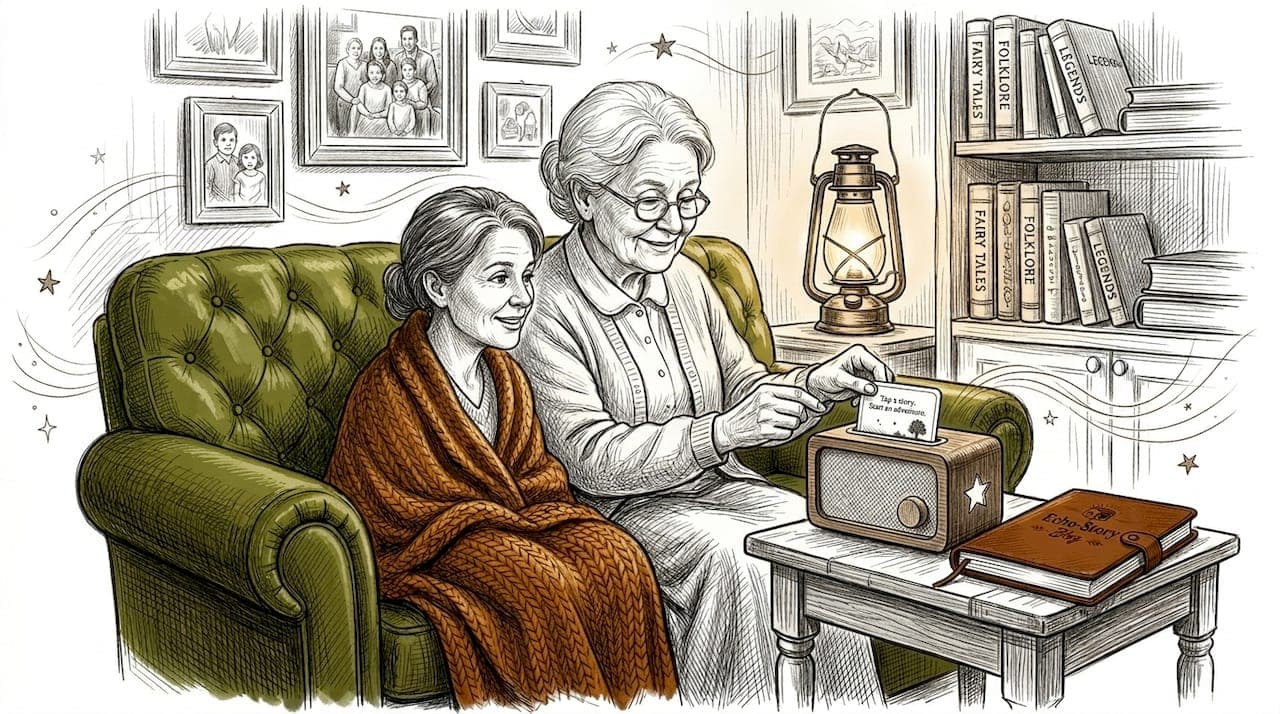
Preserving family stories for grandkids is the practice of capturing a grandparent's memories, values, and voice through audio recordings, memory books, legacy letters, and guided interviews so that future generations can know where they came from. These stories carry emotional and cultural weight that no photograph alone can hold. Done well, they become one of the most meaningful gifts a family can pass down. This guide walks you through the best methods, tools, and storage strategies to document family history in a way your grandchildren will treasure for decades.
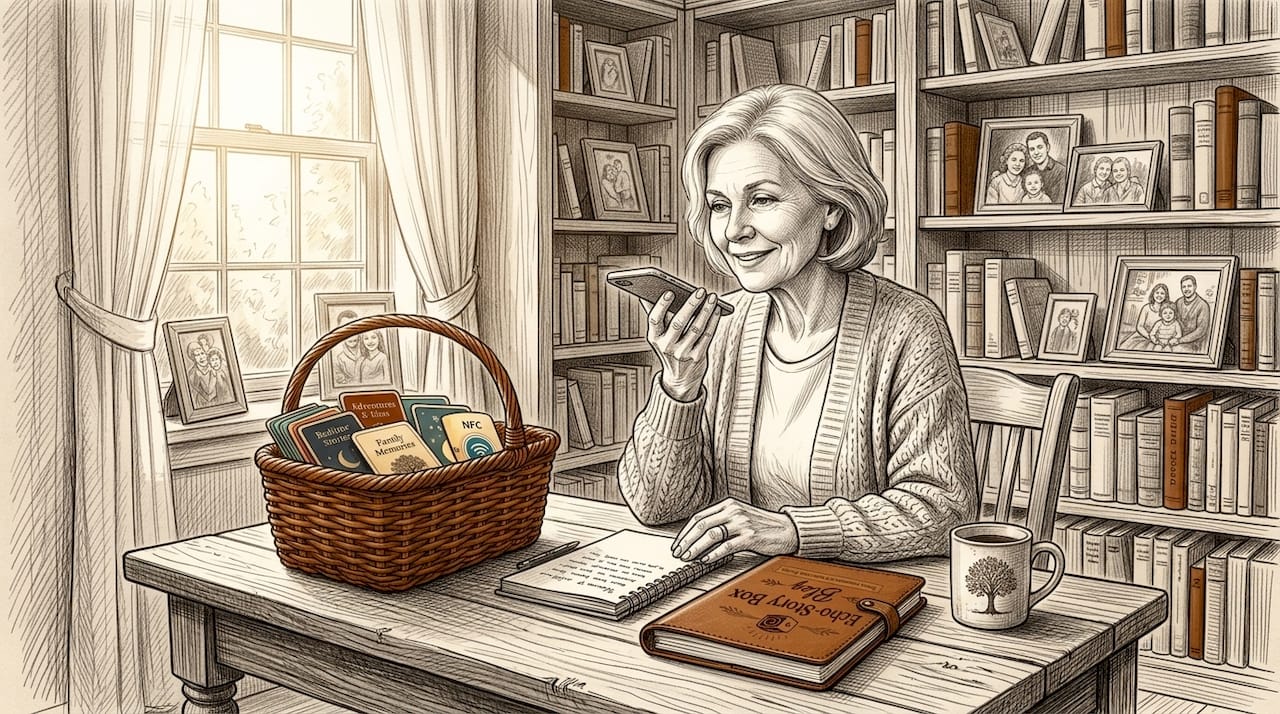
What are the best methods to preserve grandparent stories for grandchildren?
The most effective ways to preserve grandparent stories combine low-tech warmth with simple modern tools. No single method works for every family, but the following approaches consistently produce rich, lasting results.
- Guided interviews with prompt cards. Short, focused questions work far better than open-ended conversations. Ask things like "What did your kitchen smell like on Sunday mornings?" or "What was the hardest thing you ever had to do?" Specific questions unlock specific memories.
- Photo and object prompts. Photo albums paired with storytelling prompt names, years, and emotional context that simple questions cannot. Bring a recipe card, a worn Bible, or a childhood toy to the session and watch the stories flow.
- Memory books designed for grandparents. Printed memory books with fill-in prompts give grandparents a private, low-pressure way to share stories on their own schedule. Products like Storyworth and similar memoir journals guide writers through life chapters without requiring any technical skill.
- Legacy letters. A legacy letter is a written message from a grandparent to a grandchild explaining values, faith, hard lessons, and love. Legacy letters saved in multiple formats with clear metadata and contextual notes improve longevity and accessibility for future generations.
- Voice recording with speech-to-text tools. Memowrite's 2026 update enables dictation of answers to guided prompts, which significantly increases participation among seniors who are reluctant or unable to type. This matters because grandparents' voices carry emotional nuance that text alone cannot replicate.
Pro Tip: Start with the method that feels most natural to your grandparent. A reluctant writer may become a joyful talker. Match the tool to the person, not the other way around.
How do you plan storytelling sessions that feel natural?
A storytelling session that feels like an interview rarely produces the best material. The goal is a relaxed conversation where memories surface on their own. These steps make that happen.
- Start with easy, specific questions. Begin with something sensory and safe, like "What did your neighborhood look like when you were eight?" Easy questions warm up the memory and build comfort before you move to deeper topics.
- Keep sessions short. Five 15-minute sessions over a month produce more detail and prevent fatigue compared to a single two-hour talk. Shorter sessions also give the storyteller time to remember more between visits.
- Let tangents happen. Some of the best stories come from unexpected detours. If your grandmother starts talking about her neighbor when you asked about her first job, follow that thread. Tangents often hold the most emotional truth.
- Bring a tangible prompt. A handwritten recipe, an old photograph, or a piece of jewelry can unlock a memory that no question could reach. Physical mementos like recipe cards hold unique emotional value and link memory to tangible objects.
- Respect boundaries without pushing. If a topic causes visible discomfort, move on without comment. Trust builds over multiple sessions, and a storyteller who feels safe will eventually share more than one who feels pressured.
Pro Tip: Record every session, even casual ones. Use a simple voice memo app on your phone and place it on the table between you. Most people forget it is there within a few minutes.
How to organize and curate collected stories
Raw recordings and handwritten notes are only the beginning. Organizing them well is what turns scattered memories into a cherished family archive that grandchildren can actually use.
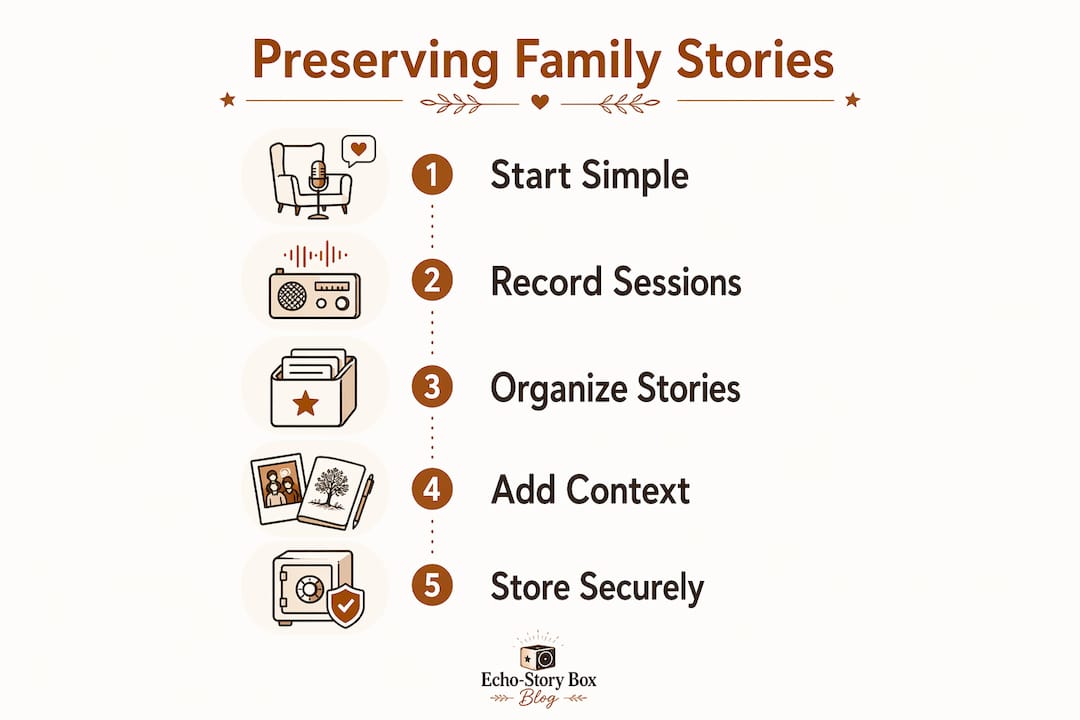
The most practical organizing approach groups stories by life stage rather than by date. Sections like "Childhood," "Young Adulthood," "Marriage and Family," and "Later Years" give grandchildren a clear narrative arc. Thematic groupings, such as "Faith," "Hard Times," or "Funny Memories," work well as a secondary layer within each stage.
Light editing preserves authenticity while improving readability. The goal is not to rewrite a grandparent's voice but to remove repeated filler words and add brief context notes. A sentence like "We went to the place on Fifth" becomes far more meaningful when you add "[referring to St. Mary's Church on Fifth Avenue, Chicago]" in brackets.
The table below compares the most common formats for sharing collected stories with grandchildren.
| Format | Best for | Effort level | Longevity |
|---|---|---|---|
| Printed memory book | All ages, tactile experience | Medium | High with archival paper |
| Audio recording on USB or card | Young children, emotional connection | Low | Medium (requires device) |
| Digital PDF or e-book | Easy sharing across family | Low | High with cloud backup |
| Handwritten journal | Intimate, personal feel | High | High with proper storage |
| Video compilation | Capturing expression and voice | High | Medium (format changes) |
Oral histories gain credibility when recordings are paired with clear transcripts. The Miller Center's presidential oral history projects demonstrate this well: every audio file is matched with a full transcript, making the content accessible and searchable for researchers decades later. Your family archive deserves the same care.
Adding contextual details like dates and names to all media prevents confusion from missing references and enables meaningful interpretation long after the storyteller is gone. A photo labeled "Summer 1962" means little. A photo labeled "Summer 1962, Grandma Rose and her sister Clara at Lake Geneva, Wisconsin, the summer before Clara's wedding" means everything.
What tools and storage strategies ensure long-term preservation?
The single biggest threat to a family archive is storing everything in one place. Hard drives fail. Boxes flood. The solution is deliberate redundancy across both digital and physical formats.
| Storage method | Cost | Risk level | Best use |
|---|---|---|---|
| Cloud storage (Google Drive, iCloud) | Low monthly fee | Low | Digital files, audio, video |
| External hard drive | One-time purchase | Medium (physical damage) | Full archive backup |
| Printed storybook copies | Per-book cost | Low with multiple copies | Physical sharing among family |
| Acid-free archival boxes | Low | Low | Letters, photos, recipe cards |
| USB story cards (e.g., Echo-Story Box) | Low | Low | Audio playback for children |
Distributing multiple printed copies among family members maintains the shared legacy and reduces the risk of loss. Five hardcover copies cost less than a family dinner, and sharing them makes the story a living family heirloom rather than a single fragile object.
For physical items, acid-free sleeves and archival boxes protect letters, photographs, and recipe cards from yellowing and decay. Label every item on the back or in a separate index with the date, names, and a one-sentence description. This small habit saves enormous confusion for the grandchildren who will open that box in thirty years.
Clear, consistent file naming matters just as much for digital files. A system like "2026_GrandmaRose_Childhood_Session3.mp3" is immediately understandable. A file named "recording(4).m4a" is not. Encourage family members to keep copies of the digital archive on their own devices so the collection stays alive across multiple households.
Recording grandparent wisdom in audio format also gives grandchildren something they can replay independently, which deepens the emotional connection over time.
Key takeaways
The most effective way to preserve family stories for grandkids combines short, repeated storytelling sessions with organized, multi-format storage that distributes copies across the whole family.
| Point | Details |
|---|---|
| Use short, repeated sessions | Five 15-minute sessions yield richer stories than one long interview. |
| Match the tool to the storyteller | Voice recording and speech-to-text lower barriers for seniors who dislike typing. |
| Add context to everything | Dates, names, and places make stories meaningful to grandchildren decades later. |
| Store in multiple formats | Combine cloud backup, printed books, and physical archival storage to prevent loss. |
| Distribute copies widely | Sharing printed or digital copies among relatives keeps the archive alive and safe. |
Why I think most families wait too long to start
I have seen this pattern repeat itself more times than I can count. A family plans to record Grandpa's stories "when things slow down." Then one quiet Tuesday, the chance is gone. The stories go with him.
The truth is, there is no perfect time and no perfect method. What matters is starting. A single 15-minute voice memo recorded on a phone at the kitchen table is worth more than a beautifully planned project that never happens. I have watched grandchildren listen to a scratchy recording of their grandmother laughing at her own joke, and the look on their faces tells you everything you need to know about why this work matters.
One thing I have learned is that grandparents often underestimate how much their stories mean. They say things like "My life wasn't that interesting." It always is. The details of an ordinary life, told in a real voice, are exactly what grandchildren hunger for as they grow up and try to understand who they are. Stories teach identity in ways that facts and dates never can.
Start with one question. Record one session. Label one photo. The archive builds itself from there.
— Bob
Bring grandparent stories to life with Echo-Story Box
Echo-Story Box gives families a simple, screen-free way to share and replay the stories that matter most. Grandparents can record a bedtime story, a life lesson, or a holiday memory, and grandchildren can tap a story card to hear that voice whenever they want. No apps, no scrolling, no distractions. Just the story and the child. If you are ready to turn your family's recordings into something grandchildren can hold and replay for years, explore Echo-Story Box and see how simple it can be to create a lasting audio legacy.
FAQ
What is the easiest way to start preserving family stories?
The easiest starting point is a short voice recording using a phone's built-in voice memo app. Ask one specific question, record the answer, and label the file with the date and topic.
How long should a family storytelling session be?
Sessions of 15 to 20 minutes work best, especially with older adults. Shorter sessions prevent fatigue and often produce more focused, detailed memories than longer ones.
How do I preserve family stories so grandkids can access them easily?
Combine audio recordings with printed transcripts and store copies in at least two locations, one digital and one physical. Distributing printed storybooks among family members keeps the archive accessible and safe.
Can grandparents participate even if they struggle with technology?
Yes. Speech-to-text tools like Memowrite allow grandparents to dictate stories without typing. A simple phone recording placed on the table during a conversation requires no technical skill at all.
What details should I add to recorded or written stories?
Include the date, full names of people mentioned, and the location for every story. These contextual notes prevent confusion and make the stories meaningful to grandchildren who read or listen to them decades later.