
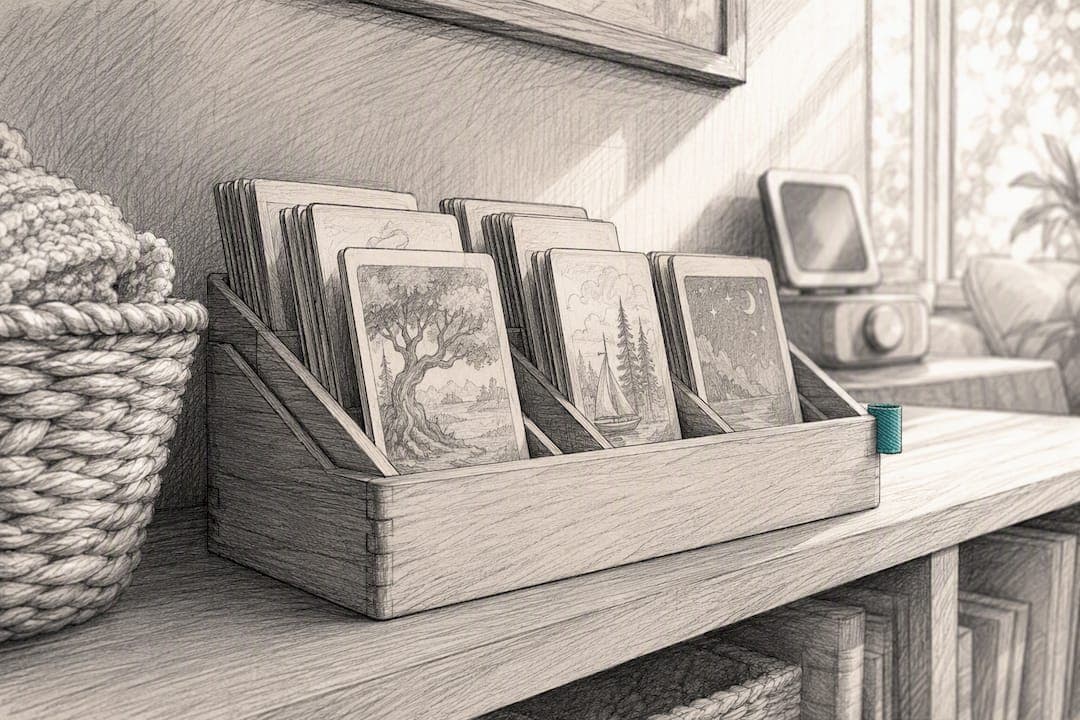
The best system for storing Echo-Story cards is simple: a shallow, front-facing display for daily favorites, a labeled bin for grab-and-go rotation, and a short catalog listing what you own. Keep cards dry, away from magnets, and low enough for small hands to reach. That's it. Everything else in this guide is just variations on that theme.
TL;DR:
- Using shallow front-facing shelves or labeled bins simplifies access and reduces effort to maintain story card organization.
- Protect NFC story cards by storing them in rigid sleeves and keeping them away from moisture, heat, and magnets to prevent damage or interference.
- Effective organization relies on labeling cards with detailed information, rotating cards daily, and digitizing collections for easier search and backup.
- Building a dedicated, low, shallow shelf enhances independent card selection and minimizes hiding or damage caused by deeper storage options.
- Ready-made sets and customizable NFC cards offer a convenient, durable, and organized solution for families to manage story cards effortlessly.
Table of Contents
- Story Card Storage Ideas You Can Set Up Today
- How Do You Protect NFC Story Cards From Damage?
- Organizing Systems That Actually Stay Organized
- Building a Simple Display Shelf for Story Cards
- Cataloging Cards So Nothing Gets Lost
- Why Echo-Story Cards Need Their Own Storage Logic
- One Family's Ten-Minute Fix
- Ready-Made Storage Starts With the Right Cards
- Helpful Resources for Building Your Card System
- Sources
Story Card Storage Ideas You Can Set Up Today
You do not need a Pinterest-worthy playroom to organize story cards well. You need a spot where cards face outward, sit low, and stay put. Here are twenty ideas that work for different budgets, spaces, and skill levels.
- Shallow media shelves with front-facing slots, borrowed straight from CD and DVD storage design, since shallow shelving keeps items visible instead of pushed to the back.
- Small labeled bins, one per child or one per theme, so nobody digs through a single mixed pile.
- Clear index boxes with dividers, the kind sold for recipe cards, which happen to be nearly the right size for story cards.
- Rotating trays that spin so a child can browse without pulling everything onto the floor.
- Tiered wire racks, usually sold for spices, turned sideways to hold cards upright.
- Wall pockets mounted at toddler height, giving a "menu" of choices without any lid to open.
- Countertop card racks, similar to greeting card displays, for a rotating weekly selection.
- Repurposed CD towers with slots wide enough for a story card sleeve.
- Recipe box conversions, since a wooden recipe box with dividers is already built for flat cards.
- Magazine files turned upright on a shelf, one file per story series.
- Photo storage boxes with acid-free dividers, useful for larger family collections.
- Pegboard with small hooks and pouches, letting you rearrange favorites weekly.
- A repurposed silverware tray inside a drawer for quiet, closed storage near the Echo-Story Box itself.
- Stackable drawer organizers, each drawer holding one theme or one child's set.
- A rolling cart with shallow bins, handy for homeschool families who move learning materials room to room.
- Library-style card catalog drawers, if you can find a small vintage or reproduction piece.
- A basket by the door for cards headed to grandma's house or the car.
- Cork board pockets for a rotating "story of the week" feature spot.
- Binder-style photo pages with card-sized slots, good for archived sets you rarely rotate.
- A dedicated shoebox per season or holiday, tucked away until it's relevant again.
Mix and match. A front-facing shelf for current favorites plus one archive bin covers most families without any single system feeling overwhelming to maintain.
How Do You Protect NFC Story Cards From Damage?
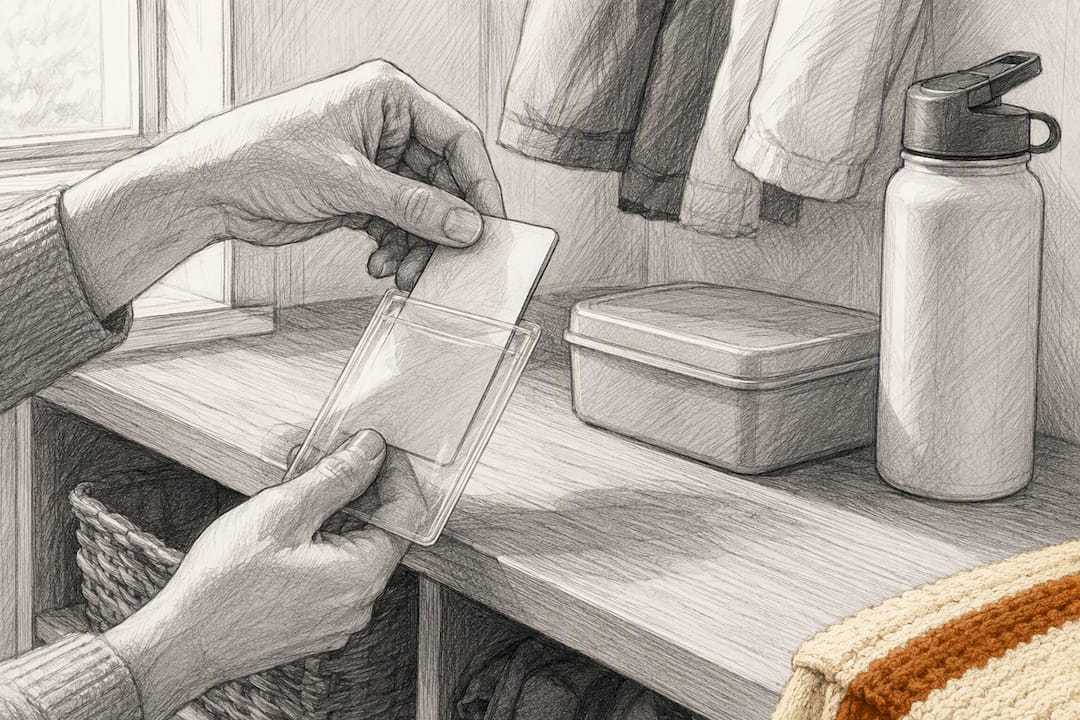
Story cards are sturdier than paper, but they are not indestructible. Moisture is the biggest threat, since dampness can warp the card or interfere with the embedded chip over time. Keep them away from bathrooms, damp basements, and anywhere near a water bottle that leaks in a backpack.
Extreme heat matters too. A card left in a hot car all afternoon can warp slightly, which sometimes affects how reliably it taps against the Echo-Story Box.
A few habits go a long way:
- Slide cards into rigid sleeves or archival-quality pockets instead of leaving them loose in a bin.
- Keep cards away from strong magnets. Refrigerator magnet clips and magnetic closures on storage boxes can interfere with the NFC chip, so choose snap-lid or hook-based displays instead.
- Label the sleeve, not the card. A permanent marker directly on a card can degrade the surface and looks messy fast.
- Wipe cards with a dry or barely damp cloth. Skip household cleaners, which can seep into seams.
- Back up any family-recorded card first, as explained in this resource on the role of yearbooks in student memory. A scratched or lost card is a bigger loss when the recording is a grandparent's voice instead of a printed story.
Pro Tip: Keep one small silica packet in your archive bin, especially in humid climates. It's a two-dollar habit that protects an irreplaceable recording.
Organizing Systems That Actually Stay Organized
Most families abandon a storage system within a month, not because it looked bad, but because it took too much effort to maintain. These four habits keep things running with almost no daily upkeep.
- Label by more than just the title. Add theme, child's name, and date recorded when relevant. A tag like "Theo adventures, spring set" cuts down on search time far better than a generic label.
- Run a daily grab bin next to an archive shelf. Rotate five to eight cards into daily reach, then swap them out weekly from the larger, less-accessible collection.
- Place daily storage at child height and archive storage above it. Kids get independence over what they use most; you keep oversight over the full collection.
- Use a simple checkout sheet for shared or classroom sets, so a co-op or multi-child household always knows which card left the shelf and when.
- Cull and digitize every quarter. Organizing guides consistently recommend a seasonal sweep to retire cards a child has outgrown and back up anything worth keeping.
Building a Simple Display Shelf for Story Cards
Front-facing storage isn't just prettier. It changes how children interact with their cards. When a card faces outward at eye level, a child can scan and choose independently instead of flipping through a stack. Depth matters more than most people expect: anything deeper than about two inches starts hiding cards behind each other, which is exactly the problem deep shelving creates with media storage in general.
A basic build only needs a few things:
- A strip of plywood or pine, cut to shelf length, shallow enough to keep cards visible and accessible.
- A front lip or small dowel rail glued along the bottom edge to stop cards from sliding off.
- Evenly spaced notches or slots cut about a quarter inch wide, similar to the notched shelf design used in one maker's NFC card rack project.
- Sanded edges and a non-toxic finish, since young children will handle this shelf constantly.
If building from scratch feels like too much, repurpose a shallow CD tower or a wall-mounted DVD shelf. Mount any shelf low enough for your child to reach without climbing, and keep hardware and screws fully countersunk so there's nothing sharp at kid height.
Cataloging Cards So Nothing Gets Lost
A catalog sounds fancier than it needs to be. Five fields cover almost every family's needs: title, a short description, which bin or slot it lives in, who recorded it (if applicable), and the date added.
- A simple spreadsheet works fine, and it's searchable the moment your collection passes twenty cards.
- Printable index cards kept in a small box near the shelf work just as well for families who prefer paper.
- A note app on your phone covers you when you're at a grandparent's house adding a new recording on the spot.
- Photograph each card as you add it, and keep an audio backup of anything personalized, since Echo-Story Box's personalized and family-voice content becomes much harder to replace than a printed story card.
- Tag subscription sets by month or theme so mailed packs stay grouped instead of scattering into your general collection.
Why Echo-Story Cards Need Their Own Storage Logic
Echo-Story cards work through a tap-and-play NFC design, and the product's how-it-works page describes exactly why that tactile simplicity matters: a child places the card on the box, and the story starts. That interaction depends on a card being easy to find and easy to grab, which is the whole case for front-facing display over deep bins.
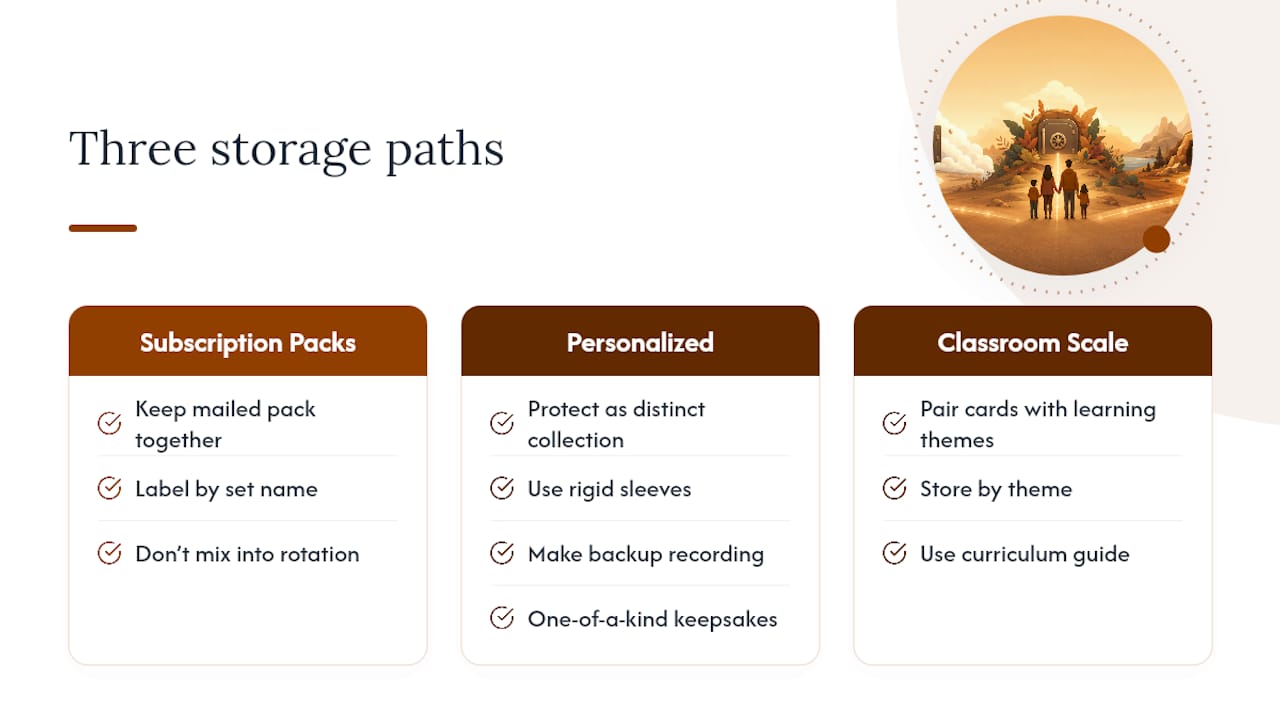
Personalized cards and family-voice recordings deserve extra care. These are one-of-a-kind keepsakes, not replaceable print runs, so rigid sleeves and a backup recording matter more here than with any purchased story pack.
Monthly subscription sets arrive as curated themes. Store each mailed pack together and label it by its set name rather than mixing new cards into your general rotation right away. If you're building a personalized or classroom-scale collection, this guide to organizing storytelling curriculum walks through pairing cards with learning themes.
One Family's Ten-Minute Fix
A homeschool mom told us her card pile had become a nightly argument. She swapped a deep toy bin for a shallow shelf and a five-card daily rotation. Within a week, her son picked stories himself, no digging, no meltdowns. The fix took less time than making dinner.
— Bob
Ready-Made Storage Starts With the Right Cards
There are screen-free alternatives to bins full of loose, unlabeled cards. Some starter packs and monthly mailed subscriptions arrive as ready-to-shelve sets, sized and durable enough for shallow, front-facing storage this guide recommends. No sorting through mismatched formats. No guessing what fits where.
Families who want full control can also order blank NFC cards and record their own stories, voices, or family messages, then slot them right alongside a subscription set using the same labeling system. Visit Echo-Story's main page to see current starter packs, or check how it works for setup details and card reissue options if a card ever needs replacing. Order a starter pack today and your shelf will already be organized before it arrives.
Helpful Resources for Building Your Card System
- CD and DVD storage tips for shallow shelving principles that translate directly to story cards.
- Homeschool supply closet organization for labeling and zone strategies.
- Bins, binders, and digital storage for balancing physical and digital backups.
Sources
- CD And DVD Storage And Organization Tips & Ideas
- How to organize a homeschool supply closet (and actually keep it that way) - StorageBuddy Blog | StorageBuddy
- How to Organize Kids School Items with Bins Binders and Digital Storage