
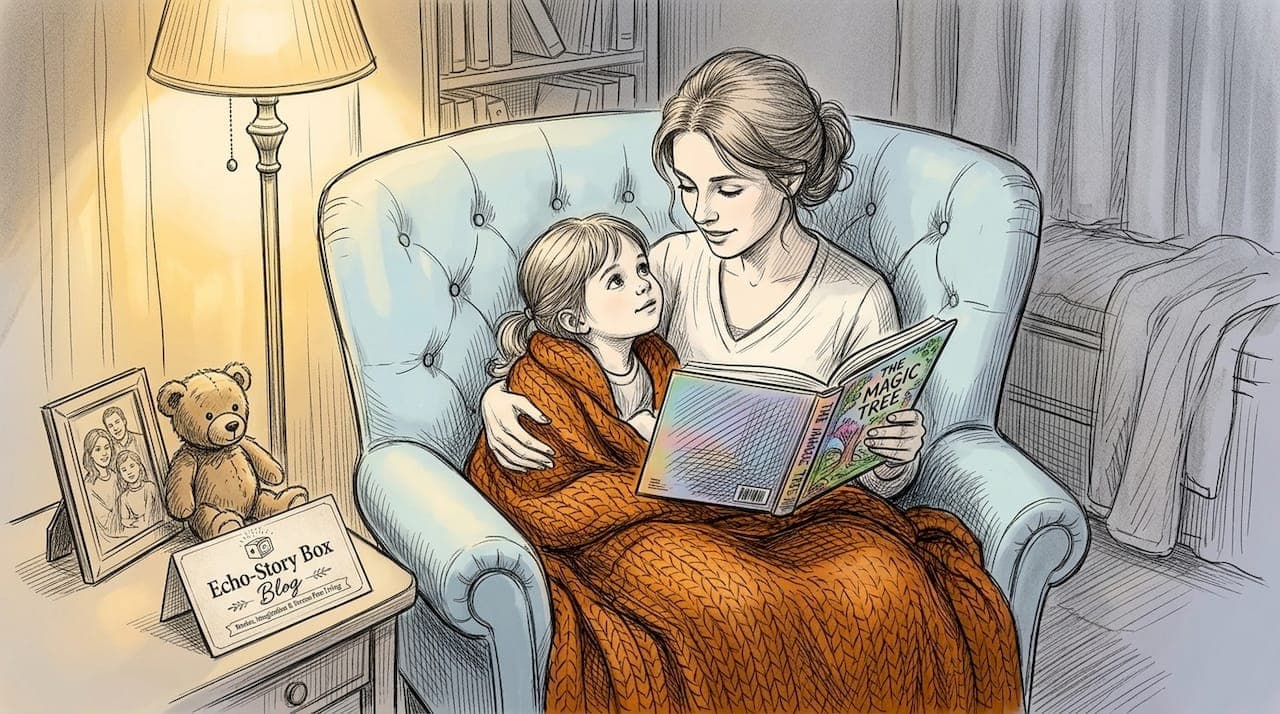
A slow bedtime routine is a structured, calm sequence of activities designed to gently transition children from active daytime energy to restful sleep. Unlike rushing through pajamas and lights out, these routines use predictable steps, sensory cues, and quiet connection to signal the brain that sleep is near. Research and pediatric guidance from Children's Nebraska and BabySleepScience consistently show that routine predictability reduces bedtime resistance and anxiety more reliably than any single activity. If you are looking for practical examples of slow bedtime routines that actually work, this guide covers routines by age, activity comparisons, and tips for making them stick.
What makes a slow bedtime routine effective for children?
A slow bedtime routine works because of its predictable sequence, not its length or complexity. Routine predictability acts as a bedtime cue, training the brain to shift from alertness to rest through repeated association. When children know exactly what comes next, they spend less mental energy resisting and more time relaxing.
The standard framework separates the evening into two phases. The first is a broader wind-down period of 30 to 90 minutes that includes lower stimulation activities like dimming lights, quiet play, or a warm bath. The second is a shorter final sequence of 20 to 40 minutes focused on hygiene and settling, as The Mindfulness App recommends for realistic, consistent routines.
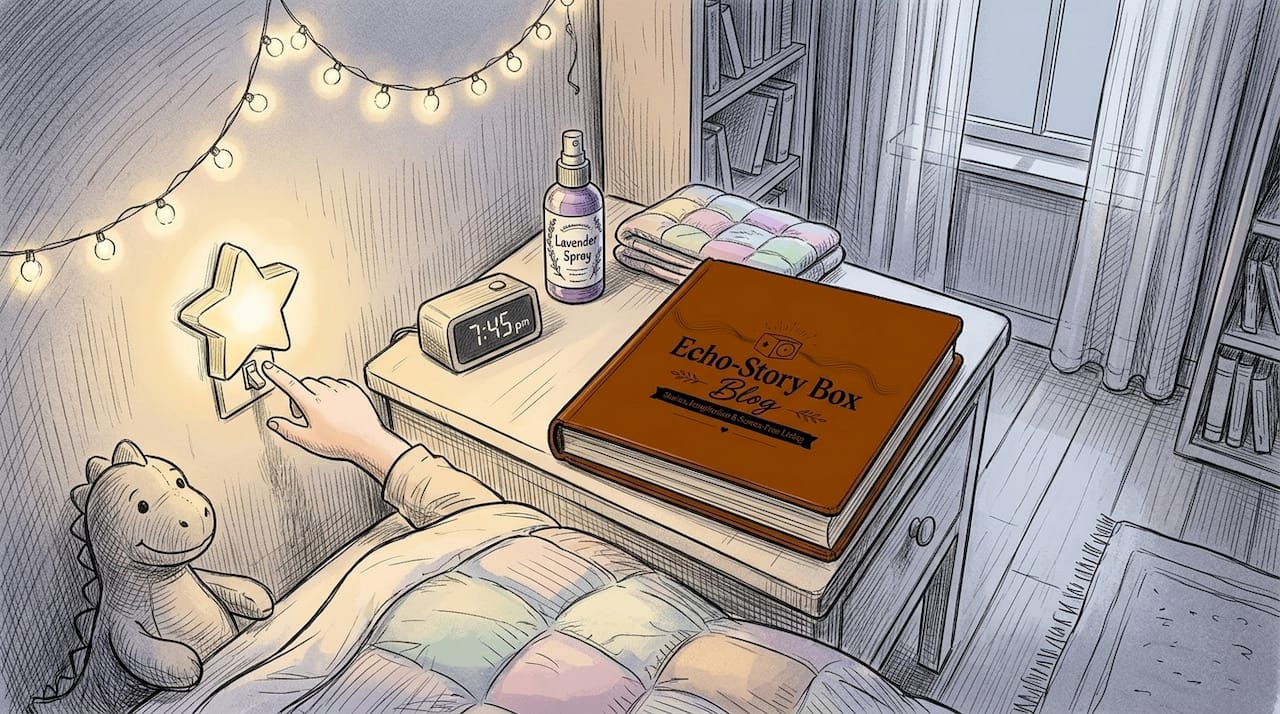
Effective routines balance what sleep specialists call "need-to-do" steps (brushing teeth, washing up) with "nice-to-do" calming activities (reading, breathing games, soft music). The environment matters just as much as the activity list. Dim lighting, quiet sounds, and a screen-free space all reduce sensory input and help children shift gears. Avoiding problem-solving conversations or exciting topics at bedtime keeps the emotional tone calm and focused on rest.
Pro Tip: Link the start of your bedtime routine to an existing daily habit, like after-dinner cleanup or a set alarm. Linking routine to habits removes the negotiation and makes the transition feel automatic for both you and your child.
1. The simple 15-minute toddler wind-down
Toddlers respond best to short, consistent routines that mix hygiene with one or two calming activities. A stress-free toddler routine typically runs 15 to 40 minutes and avoids turning into active play. The goal is gentle repetition, not entertainment.
A reliable toddler sequence looks like this: warm bath (5 minutes), pajamas and diaper change (3 minutes), one short picture book read aloud (5 minutes), a simple lullaby or soft song (2 minutes), then tuck-in with a kiss goodnight. Every step follows the same order every night. That sameness is the point. Toddlers find comfort in knowing what comes next, and that comfort lowers the cortisol levels that make settling hard.
2. The preschooler routine with breathing and quiet play
Preschoolers aged 3 to 5 can handle slightly longer routines and benefit from one mindful activity added to the hygiene basics. A 25 to 30 minute sequence works well: brush teeth, wash face, change into pajamas, 10 minutes of quiet play (puzzles, coloring, or building blocks), two picture books read together, then two minutes of "star breathing" before lights out.
Star breathing is a simple technique where the child traces the five points of an imaginary star while breathing in and out slowly. It gives preschoolers something concrete to focus on, which quiets the mental chatter that often delays sleep. Pairing it with a consistent phrase like "time to breathe and rest" reinforces the cue over time.
3. The school-age routine with journaling and reading
Children aged 6 to 10 benefit from routines that give them a small sense of ownership. Children's Nebraska notes that older children's routines often include shower, independent reading, and journaling as natural extensions of the toddler framework. A 40 to 50 minute routine for this age group might include: shower or bath, pajamas, 5 minutes of journaling or drawing, 15 to 20 minutes of reading a physical book, then lights out with soft background sound.
Journaling at this stage serves a specific purpose. Writing down one worry or one good thing from the day clears the mental slate before sleep. Writing down stressors earlier in the evening prevents problem-solving thoughts from surfacing the moment the lights go off, which is one of the most common causes of delayed sleep onset in school-age children.
4. The sensory-focused routine for sensitive children
Some children are more sensitive to transitions and need extra sensory support during the wind-down. A sensory-focused gentle evening ritual uses touch, sound, and texture as calming anchors. The sequence might include: a warm bath with lavender soap, soft pajamas with a familiar texture, a weighted blanket or favorite stuffed animal placed deliberately, quiet nature sounds or white noise turned on at a consistent volume, and a slow read-aloud in a low voice.
Sensory calming patterns including low lighting, quiet tactile activities, and soft sound cues accelerate the shift from alertness to rest. For sensitive children, these cues work faster than verbal instruction. The routine becomes a full-body signal, not just a checklist.
5. The audio story routine for screen-free settling
Audio stories are one of the most underused calming bedtime habits for children. Unlike screen-based stories, audio requires no light source and keeps the visual system at rest. A child lies in bed, lights dim or off, and listens to a story being read or played. The imagination does the work, and the body stays still.
This approach fits naturally into any existing routine. After hygiene steps, the child gets into bed and a story begins. The benefits of audio stories at bedtime include reduced visual stimulation, a consistent auditory cue for sleep, and a shared experience when a parent listens alongside the child. It also removes the "one more page" negotiation that physical books sometimes invite.
6. The mindfulness and light stretch routine for older kids
Children aged 8 and up can incorporate short mindfulness or light yoga stretches into their nighttime routine ideas. A 5 to 7 minute stretch sequence done in dim light, followed by a body scan or breathing exercise, lowers physical tension that builds up during active school days. This works especially well for children in sports or high-activity environments.
A simple sequence: child's pose for 60 seconds, legs-up-the-wall for 2 minutes, then a 4-count breathing exercise (breathe in for 4, hold for 4, out for 4). No equipment needed. The physical release signals the nervous system to downshift, making the transition to sleep faster and more reliable than verbal reminders alone.
7. The screen-free family connection routine
One of the most effective nighttime routine ideas is also the simplest: a screen-free conversation ritual before bed. After hygiene steps, parent and child spend 5 to 10 minutes talking about one good thing and one hard thing from the day. No devices, no background TV. Just quiet, focused attention.
Screen time cut off at least one hour before bed reduces insomnia risk significantly. The American Academy of Pediatrics, through HealthyChildren.org, recommends treating screen-free bedrooms as a firm household rule rather than a nightly negotiation. When the rule is consistent, children stop testing it. The conversation ritual fills that space with connection instead of conflict.
Comparing common calming activities for bedtime routines
Not every calming activity works equally well for every child. The table below compares the most common options used in slow evening wind-down routines.
| Activity | Best for | Key benefit | Watch out for |
|---|---|---|---|
| Physical book reading | Ages 3 and up | Tactile, screen-free, bonding | "One more chapter" stalling |
| Audio stories | Ages 4 to 10 | No light needed, imagination-led | Needs consistent volume and story length |
| Breathing exercises | Ages 3 and up | Lowers heart rate, teachable | Needs practice before it feels natural |
| Warm bath | All ages | Physical relaxation, temperature drop | Timing matters; too stimulating if rushed |
| Journaling or drawing | Ages 6 and up | Clears emotional chatter before sleep | Keep prompts simple and low-pressure |
| White noise or nature sounds | All ages | Masks household noise, consistent cue | Volume should stay below 50 decibels |
| Light stretching or yoga | Ages 6 and up | Releases physical tension | Avoid energizing poses like jumping |
Pro Tip: Choose two or three activities from this list and keep them in the same order every night. Varying choices night to night increases anxiety and bedtime resistance, even when the individual activities are calming.
Tips for building and maintaining a consistent slow bedtime routine
Starting a new routine feels harder than keeping one. The key is to begin with fewer steps and add gradually over two to three weeks. Here are the most practical slow bedtime routine tips for caregivers:
- Start small. Begin with just two or three steps: hygiene, one calming activity, and lights out. Add steps only after the basic sequence feels automatic.
- Use a visual chart. A simple picture card sequence posted in the bathroom or bedroom gives children a reference point and reduces the need for verbal reminders. This works especially well for children aged 3 to 7.
- Set the environment first. Dim the lights and turn off overhead fixtures 30 minutes before the routine begins. Low-wattage lamps or nightlights create a physical cue that wind-down has started.
- Limit choices. Offer two options at most, such as "Do you want the rabbit story or the adventure story tonight?" More choices increase decision fatigue and stalling.
- Handle worries early. If your child tends to bring up fears or big questions at bedtime, create a brief "worry time" earlier in the evening. A bedtime wind-down routine works best when emotional processing happens before the final settling steps, not during them.
- Stay calm yourself. Your energy sets the tone. A rushed or frustrated caregiver makes it harder for children to settle, regardless of the routine steps.
Key takeaways
The most effective slow bedtime routines combine a predictable sequence with sensory calm and at least one screen-free connection activity, repeated in the same order every night.
| Point | Details |
|---|---|
| Predictability over complexity | Familiarity is the active ingredient; adding more activities rarely improves results. |
| Age-appropriate length | Toddlers need 15 to 40 minutes; school-age children benefit from 40 to 50 minutes. |
| Screen-free is non-negotiable | Cutting screens one hour before bed reduces insomnia risk and supports routine compliance. |
| Sensory cues accelerate settling | Dim lights, soft sounds, and familiar textures signal rest faster than verbal instruction. |
| Start small and build | Two or three consistent steps outperform a complex routine that changes nightly. |
What I have learned from watching slow routines actually work
I have seen parents try elaborate bedtime systems with timers, reward charts, and five-step breathing protocols, only to abandon them within two weeks because the routine itself became stressful. The families who get this right almost always do less, not more.
The most reliable routines I have observed share one quality: the caregiver is calm and unhurried. Children read adult energy faster than they read bedtime charts. A parent who sits down, speaks quietly, and stays present for ten minutes of reading does more for a child's sleep than any technique. That presence is the routine, in many ways.
I also think caregivers underestimate how much children want to participate in building their own routine. Letting a child choose the story, pick the stuffed animal that goes in bed, or decide between two breathing exercises gives them ownership without opening the door to endless negotiation. That small sense of control reduces resistance significantly.
The other thing worth saying plainly: consistency across weekdays and weekends matters more than perfection on any single night. A routine that runs 30 minutes on Tuesday and 45 minutes on Saturday is still a routine. What breaks the pattern is skipping the sequence entirely or letting screens back in "just this once." That one exception teaches children that the rule is negotiable, and you spend the next week rebuilding what you had.
— Bob
Bring calm stories into your child's bedtime routine

If you are looking for a simple, screen-free way to add storytelling to your slow bedtime routine, Echostory-box was built for exactly this moment. Children tap a story card onto the box and a calm, imaginative audio story begins. No scrolling, no ads, no bright screens. Just a story and a quiet room.
Echostory-box supports original adventures, personalized stories with your child's name, grandparent voice recordings, and faith-based content. It fits naturally into any of the routines described in this article, right after lights dim and before sleep. Explore screen-free bedtime stories and see how simple settling down before sleep can feel for your family.
FAQ
How long should a slow bedtime routine be for kids?
A slow bedtime routine for toddlers typically runs 15 to 40 minutes, while school-age children benefit from 40 to 50 minutes. The broader wind-down period before the final routine can begin 30 to 90 minutes before lights out.
What are the best activities for a calming bedtime routine?
Reading physical books, listening to audio stories, warm baths, simple breathing exercises, and quiet journaling are the most effective calming bedtime habits. The best choice depends on your child's age and temperament.
How do I stop my child from stalling at bedtime?
Limit choices to two options per step and keep the routine sequence identical every night. Varying steps night to night increases anxiety and gives children more opportunities to negotiate.
Should screens be part of a bedtime routine?
No. Screens should be off at least one hour before bed. The American Academy of Pediatrics recommends treating screen-free bedrooms as a firm household rule, not a nightly decision, to support steady wind-downs and better sleep.
How do I create a bedtime story ritual that sticks?
Start with one consistent story at the same point in the routine every night. A bedtime story ritual becomes a reliable sleep cue when it happens in the same order, at the same time, with the same calm energy from the caregiver.