
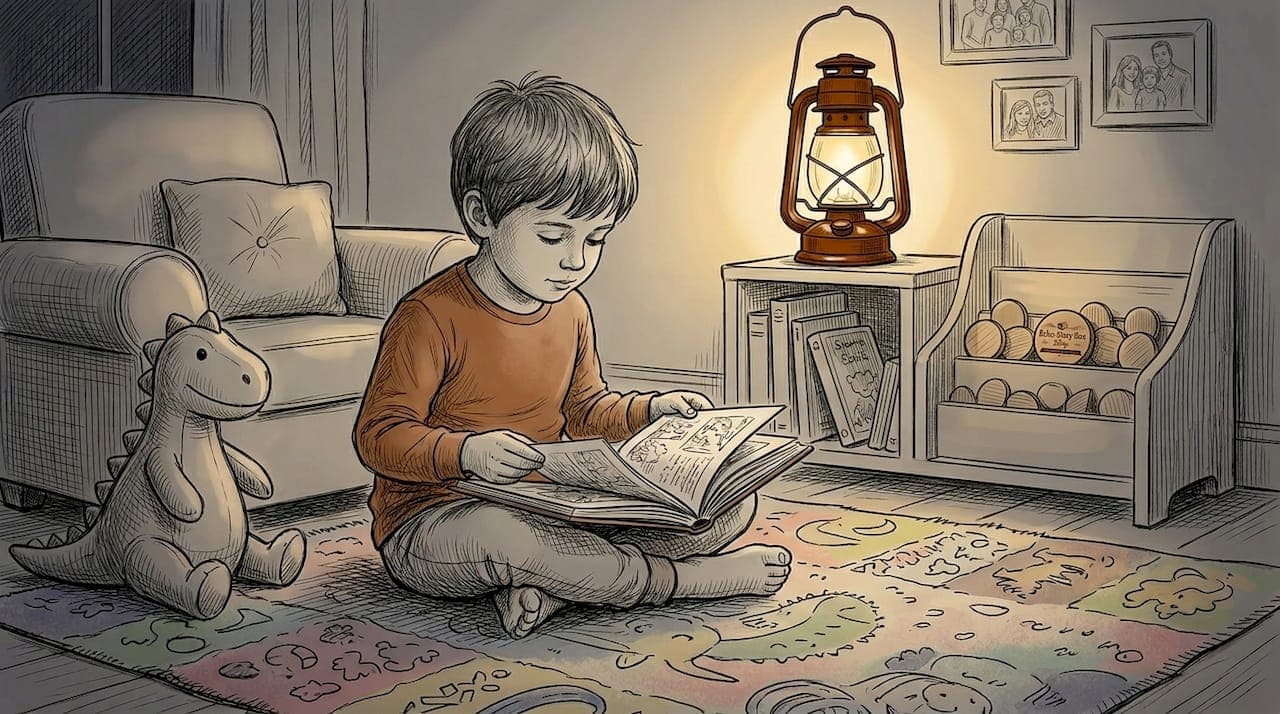
Most parents assume a bedtime wind down routine has to be elaborate to work. It does not. A bedtime wind down routine is simply a short, predictable sequence of calming activities that tells your child's brain and body that sleep is coming. Done consistently, even a 20-minute routine can make a real difference in how quickly your child falls asleep and how settled they feel at night. This guide breaks down the science, the practical steps, and real examples so you can build something that actually works for your family.
Table of Contents
- Key takeaways
- What is a bedtime wind down routine, exactly?
- Calming activities that actually work for children
- Building a routine that sticks: timing, environment, and structure
- Common mistakes that undermine bedtime routines
- Sample routines for different ages
- My honest take on what actually makes these routines work
- Make bedtime even calmer with Echostory-box
- FAQ
Key takeaways
| Point | Details |
|---|---|
| Simplicity wins | A short, consistent routine of 20 to 30 minutes works better than a long, elaborate one. |
| Sensory cues matter | Dim lights, gentle touch, and soft sound signal the brain to release melatonin and prepare for sleep. |
| Screens disrupt sleep | Electronics should stop at least one hour before bed to protect your child's natural sleep onset. |
| Caregiver calm is contagious | Your relaxed tone during bedtime directly helps your child's nervous system shift into rest mode. |
| Consistency beats perfection | A predictable sequence repeated nightly builds stronger sleep associations than an occasional perfect routine. |
What is a bedtime wind down routine, exactly?
A bedtime wind down routine is a repeated series of calm, low-stimulation activities that happen in the same order each night before sleep. It is not about checking boxes. It is about giving your child's brain reliable signals that sleep is near.
Here is why that matters. Children's bodies produce melatonin, the sleep hormone, in response to falling light levels and reduced stimulation. When you dim lights and lower activity consistently at the same time each night, you are working with that biology rather than against it. The routine becomes a sensory trigger. Over time, the familiar sequence of a warm bath, soft music, and a story becomes almost automatic in its effect.
The NHS recommends a routine that includes changing into night clothes, a bath, dimmed lights, lullabies, cuddles, and reading. Notice how short and simple that list is. None of those steps are complicated. What makes them powerful is the repetition.
"The key is creating a calm, predictable sequence your child recognizes as the lead-up to sleep. The more consistent the cues, the stronger the association becomes." — Vicki Dawson, The Sleep Charity, via BBC Tiny Happy People
The benefits of a bedtime routine go beyond faster sleep onset. Consistent routines reduce night waking, ease separation anxiety, and give children a sense of security. That predictability is emotionally grounding, especially for toddlers and preschoolers navigating big feelings.
Calming activities that actually work for children
Choosing the right evening wind down activities makes all the difference. The goal is to lower your child's sensory input and physical energy without leaving them bored or anxious. Here are activities that consistently work:
- Warm bath or shower. The drop in body temperature after a warm bath naturally triggers sleepiness. Even a short 10-minute soak helps.
- Changing into comfortable pajamas. This tactile cue is deceptively powerful. It marks a clear transition from daytime to nighttime.
- Reading together. Shared reading is both calming and connecting. Choose books with gentle pacing rather than exciting plot twists right before lights out.
- Gentle massage or lotion. Light touch activates the parasympathetic nervous system, the body's rest mode. Even a quick back rub during pajama time counts.
- Soft music or lullabies. Calming music and dimmed lights promote melatonin release and set a peaceful mood.
- Quiet imaginative play. A "bedtime box" with jigsaws, coloring sheets, or simple building blocks gives older kids a wind-down option that is engaging but not stimulating.
One approach worth trying with children ages 4 and up is audio storytelling. Listening to a calm, narrated story is one of the most effective bedtime relaxation techniques because it occupies the imagination without the visual stimulation of a screen. Stories that include the child's name or familiar characters create an even deeper sense of comfort and belonging. You can read more about how audio stories aid sleep to see why this works so well.
What to avoid is equally important. Vigorous exercise, rough play, and anything with a screen should stop well before the routine begins. The mental and physical activation from these activities takes time to wear off, and starting a calming routine while your child is still buzzing simply does not work.
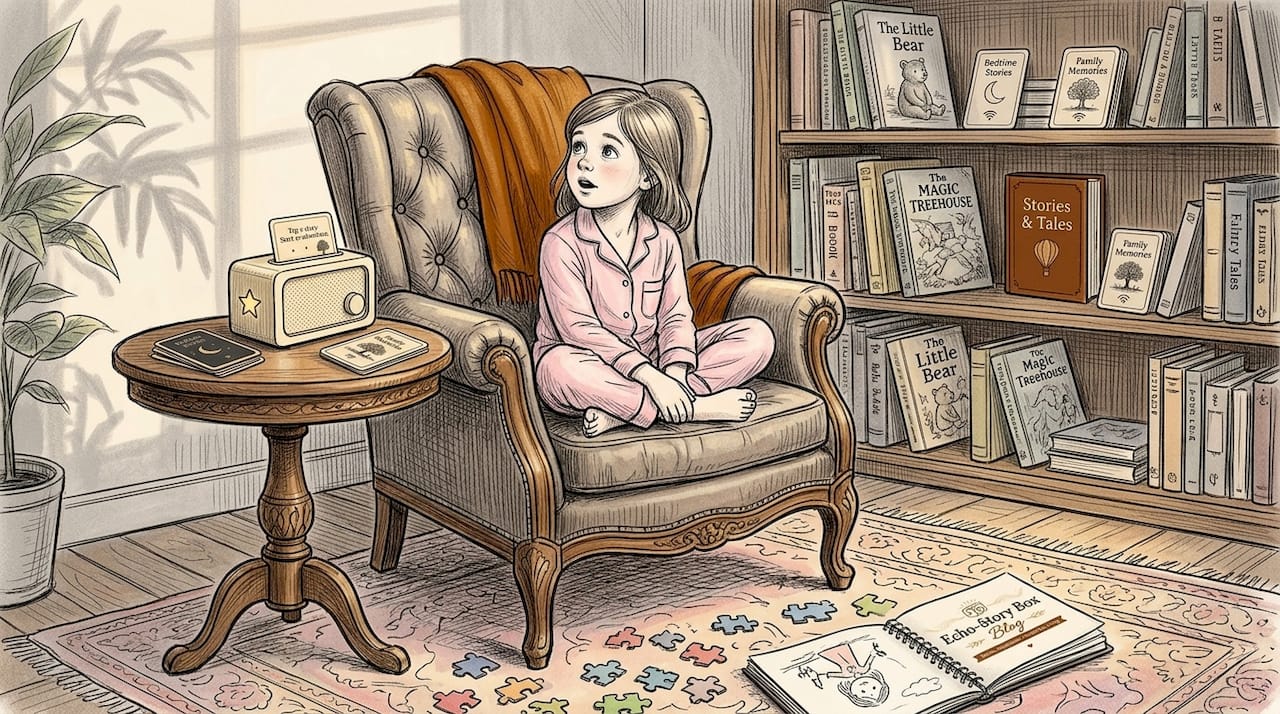
Pro Tip: As children grow into school age, swap purely passive activities for ones with a small sense of autonomy. Let them choose which book or which story card to use. That small choice reduces resistance and keeps the routine feeling fresh.
Building a routine that sticks: timing, environment, and structure
Knowing what activities to include is only part of the picture. How you structure the routine matters just as much.
Getting the timing right
Start your wind down sequence 30 to 60 minutes before your child's target sleep time. Fixed sleep and wake schedules reinforce the body's internal clock, making it easier to fall asleep at the same time each night. Power down all devices 30 to 60 minutes before bed as a minimum. Many pediatric experts now suggest extending that screen-free window to a full hour for better results.
Setting up the right environment
The bedroom environment sends its own sleep signals. A dark, quiet, and comfortably cool room supports the body's natural drop in core temperature that happens during sleep onset. Use blackout curtains if light is an issue. A white noise machine can help if your home is noisy. Even a small nightlight in a warm amber tone is better than a bright overhead light left on.
A step-by-step structure for caregivers
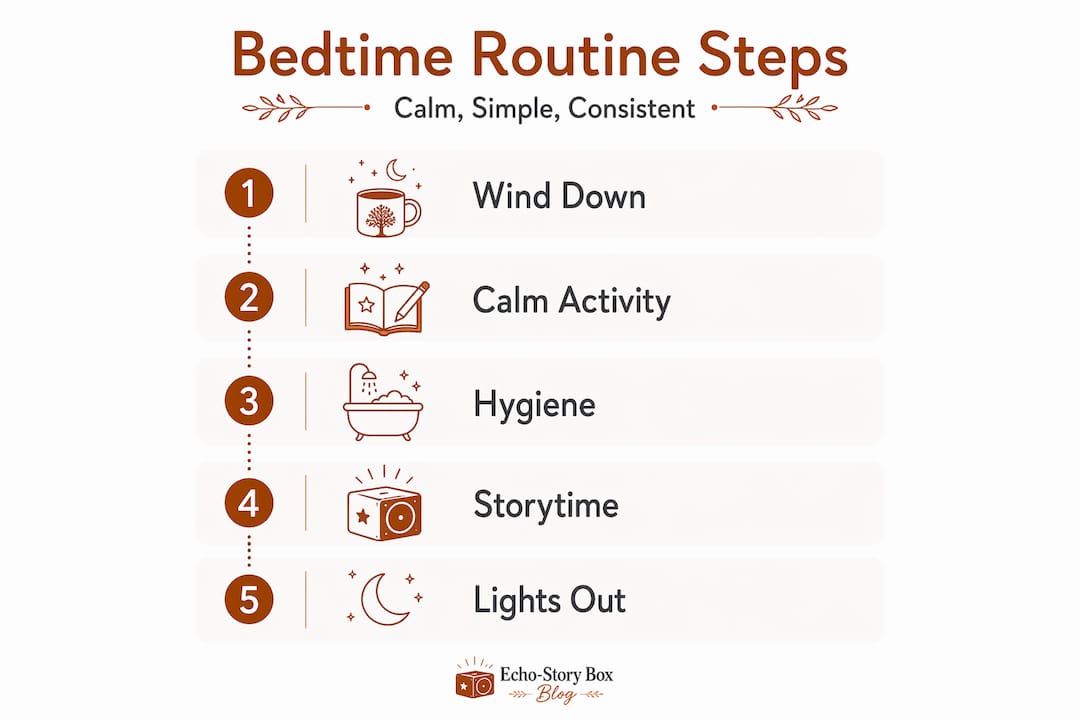
Here is a simple way to think about structuring your routine:
- Announce the start of wind-down time. A consistent verbal cue like "okay, bath time, then stories" tells your child what is coming.
- Move through hygiene steps first. Bath, brush teeth, change into pajamas. These are the functional anchors of any routine.
- Shift to calming connection. Reading together, a brief massage, or listening to a story as a family.
- Set the sensory environment. Dim lights, turn on soft music or audio stories, lower your own voice.
- Place your child in bed sleepy but still awake. This is one of the most important steps for long-term sleep independence.
Putting your child down while they are drowsy but awake teaches them to complete the transition to sleep on their own. It feels harder in the short term but pays off quickly.
Pro Tip: If your child cannot fall asleep after about 15 to 20 minutes in bed, CHOP recommends taking them out for a quiet activity outside bed until they feel sleepy. This prevents the bed from becoming associated with frustration rather than sleep.
| Child's age | Suggested routine length | Key activities |
|---|---|---|
| Baby (0 to 12 months) | 15 to 20 minutes | Bath, feeding, lullaby, dim lights |
| Toddler (1 to 3 years) | 20 to 30 minutes | Bath, pajamas, one or two books, cuddle |
| Preschool (3 to 5 years) | 25 to 35 minutes | Bath, brushing teeth, story, soft music |
| School age (6 to 10 years) | 30 to 45 minutes | Shower, reading, audio story, lights out |
Common mistakes that undermine bedtime routines
Even well-intentioned routines can quietly fall apart. Here are the most common reasons they stop working:
- Starting too late. Beginning wind-down activities when your child is already overtired makes the routine much harder. An overtired child produces stress hormones that actually fight sleep.
- Inconsistent timing. Shifting the routine by an hour on weekends disrupts the body clock. Try to keep bedtimes within 30 minutes of the usual time, even on weekends.
- Using screens as part of the wind-down. Stopping electronics at least one hour before bed is a firm recommendation from pediatric experts. The blue light and mental stimulation from screens delay melatonin production in ways that are hard to reverse quickly.
- Making the routine too long or complicated. A 90-minute sequence with seven steps is not sustainable, and the stress of maintaining it negates the calm you are trying to create.
- Caregiver stress bleeding into the routine. This one is easy to overlook. Children are sensitive to caregiver emotional tone, and if you are anxious or rushed during bedtime, your child will feel it. Their nervous system reads yours.
"If you are calm, your child is more likely to be calm. Bedtime is as much about your state as it is about theirs." — Vicki Dawson, The Sleep Charity
The fix for most of these mistakes is the same: simplify. Pick three to five calming steps, do them in the same order every night, and protect the timing. That is the whole formula.
Sample routines for different ages
Knowing the steps for winding down at night is easier when you can see it in action. Here are three simple examples you can adapt.
| Age group | Sample routine | Total time |
|---|---|---|
| Baby | Warm bath, fresh diaper and pajamas, feeding, lullaby, place in crib | 15 to 20 min |
| Toddler | Bath, brush teeth, two picture books, cuddle and soft music, lights out | 25 to 30 min |
| School age | Shower, brush teeth, quiet reading or audio story, dim lights, brief chat | 30 to 40 min |
The concept of an "anchor sequence" is worth understanding here. An anchor sequence is a short, consistent set of two or three steps that always occur in the same order right before your child gets into bed. For example: brush teeth, then one story, then a hug and lights out. That mini-sequence becomes a powerful sleep cue on its own, even when the fuller routine is not possible.
For older children especially, calm audio stories make an excellent calming pre-sleep ritual. The storytelling ritual at bedtime works particularly well because it gives children something to look forward to while keeping stimulation low. Stories that feature a child's name or familiar settings create a deeper sense of comfort, turning a simple nighttime habit into a genuinely warm experience.
Personalization matters more than people realize. A routine that fits your child's personality and your family's rhythms will always outperform a textbook routine that feels forced. Start simple, stay consistent, and adjust as your child grows.
My honest take on what actually makes these routines work
I have spent a lot of time thinking about why some families make bedtime routines look effortless while others struggle even with a solid plan in place. The answer is almost never the specific activities they choose. It is the emotional quality of the routine.
What I have noticed is that the families who do this well have one thing in common: the caregiver shows up to bedtime already calm. Not pretending to be calm. Actually settled. When you are rushing from dishes to homework reminders to inbox notifications and then suddenly trying to read a soothing story with a warm voice, children feel the mismatch. Their nervous systems do not fully downshift because yours has not either.
The other thing I genuinely believe is underappreciated is how small the routine needs to be. Most of the advice out there makes it sound like you need a whole evening program. In my experience, structured nightly rituals can be as short as three repeated steps and still build powerful sleep associations. Consistency across weeks matters far more than completeness on any single night.
Imperfect but regular beats perfect but occasional every time. If your child falls asleep 20 minutes later on a rough night but the routine still happened, that is a win. The habit is being maintained. That is what builds the association over time.
Give yourself permission to keep it small, keep it calm, and keep it going.
— Bob
Make bedtime even calmer with Echostory-box
If you are looking for a simple, screen-free way to enrich your child's wind-down routine, Echostory-box was made for exactly this moment.

Echostory-box is a screen-free audio storytelling player that children operate by tapping a story card. There are no ads, no glowing screens, no endless menus. Just a gentle story beginning the moment your child taps the card. It fits naturally into any calming pre-sleep ritual, giving kids something to look forward to at bedtime without the overstimulation that comes from screens. Stories can be personalized with your child's name, your own voice, or grandparent messages that become keepsakes. Explore the full range of storytelling tools at Echostory-box, or take a look at how it works to see how simple it really is.
FAQ
What is a bedtime wind down routine for children?
A bedtime wind down routine is a short, predictable sequence of calming activities repeated each night to help children's bodies and minds prepare for sleep. It typically includes steps like a warm bath, brushing teeth, reading, and gentle music.
How long should a bedtime wind down routine be?
Most pediatric experts recommend 20 to 45 minutes depending on the child's age. Toddlers do well with 20 to 30 minutes, while school-age children may benefit from up to 45 minutes of calming evening wind down activities.
When should screens stop before bedtime?
Electronics should stop at least one hour before bed to protect natural melatonin production and support healthy sleep onset in children.
What should I do if my child resists the routine?
Stay calm and keep the routine simple. If your child cannot fall asleep after 15 to 20 minutes in bed, try a quiet activity outside the bedroom until they feel sleepy, then return them to bed. This approach prevents the bed from becoming associated with frustration.
Can audio stories replace screen time at bedtime?
Yes. Screen-free audio storytelling is one of the most effective bedtime relaxation techniques for children because it engages imagination without visual stimulation. It supports the calm, low-input environment that helps children fall asleep more easily.